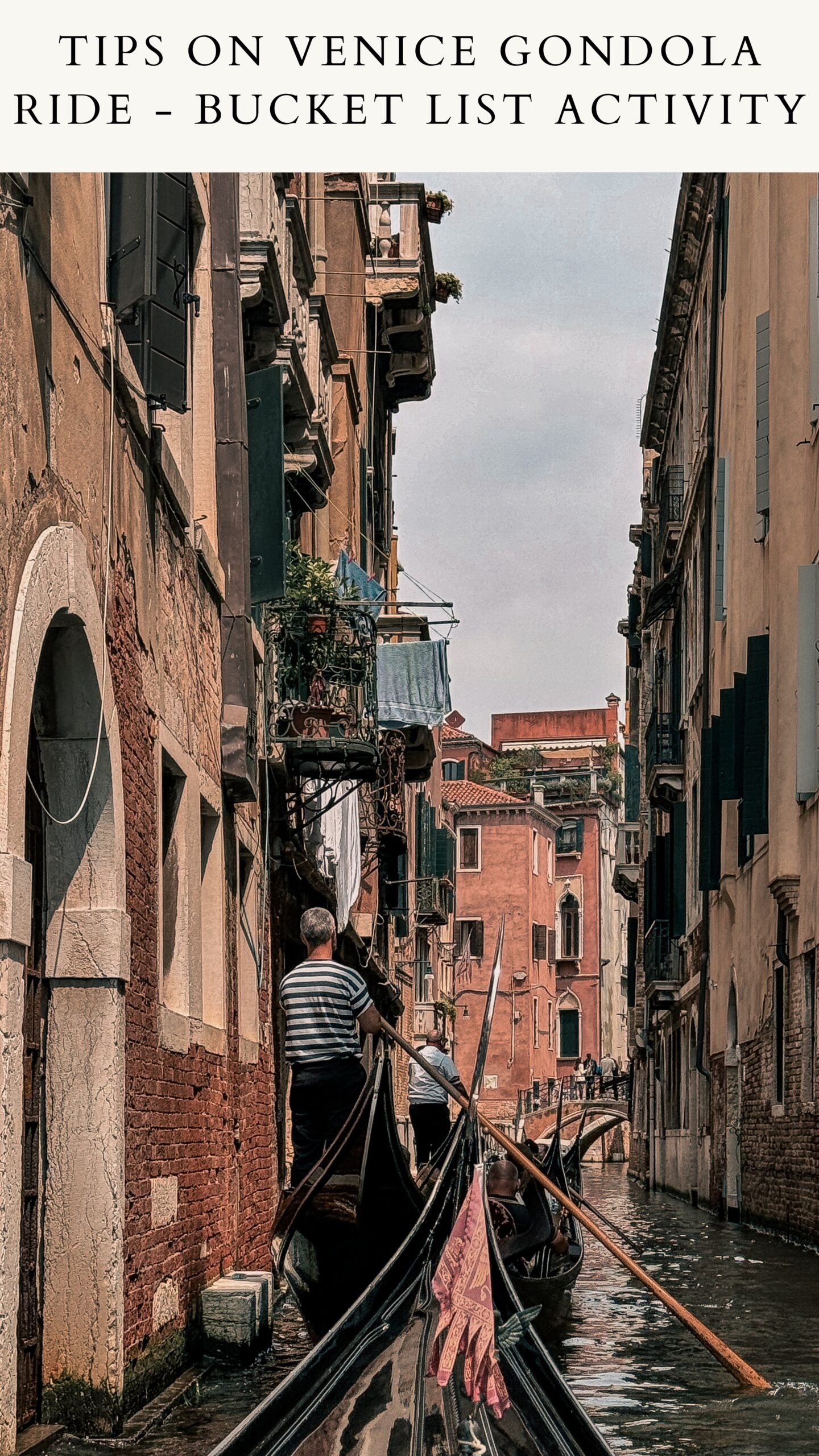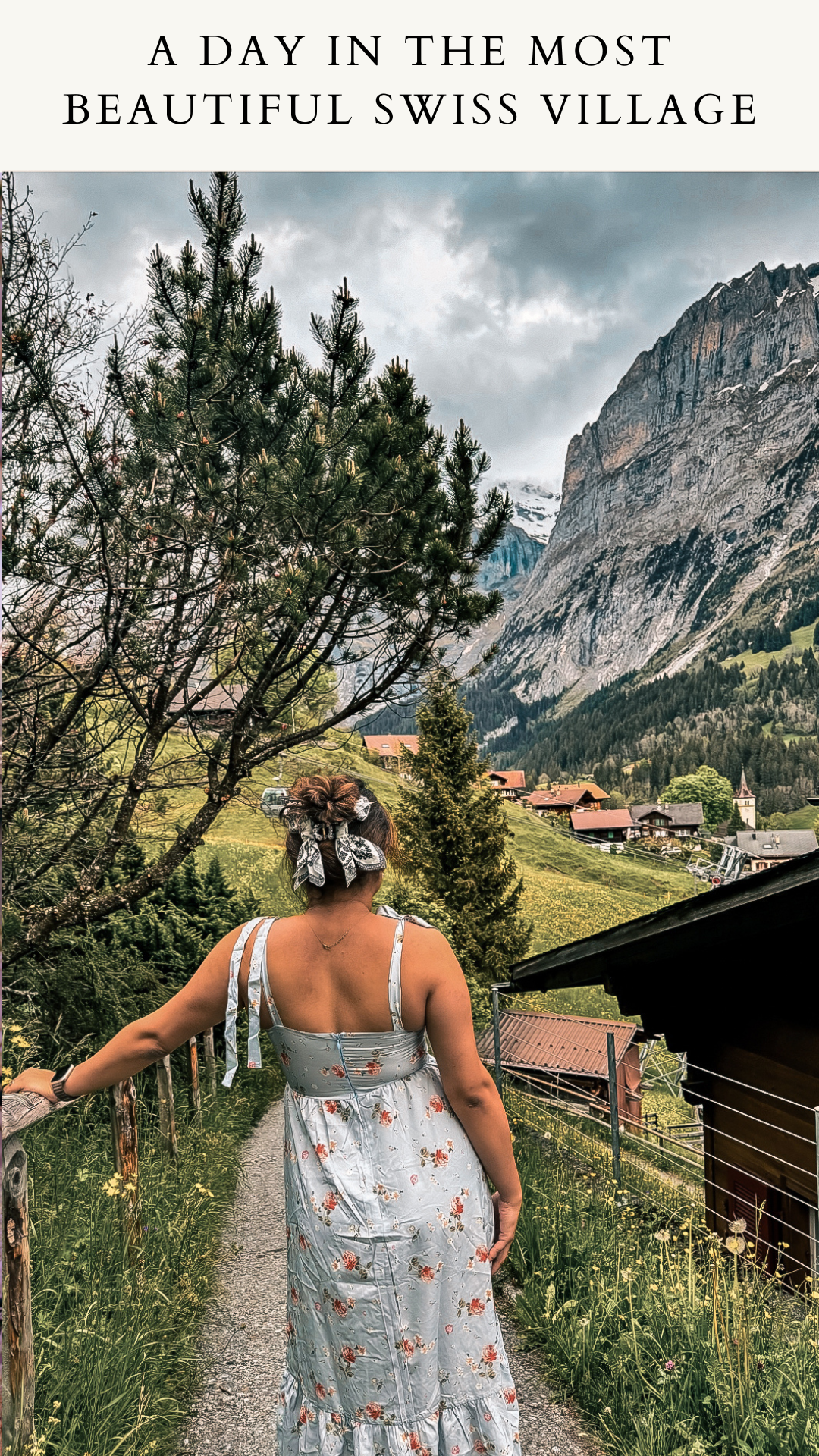
Welcome to Osaka 🇯🇵
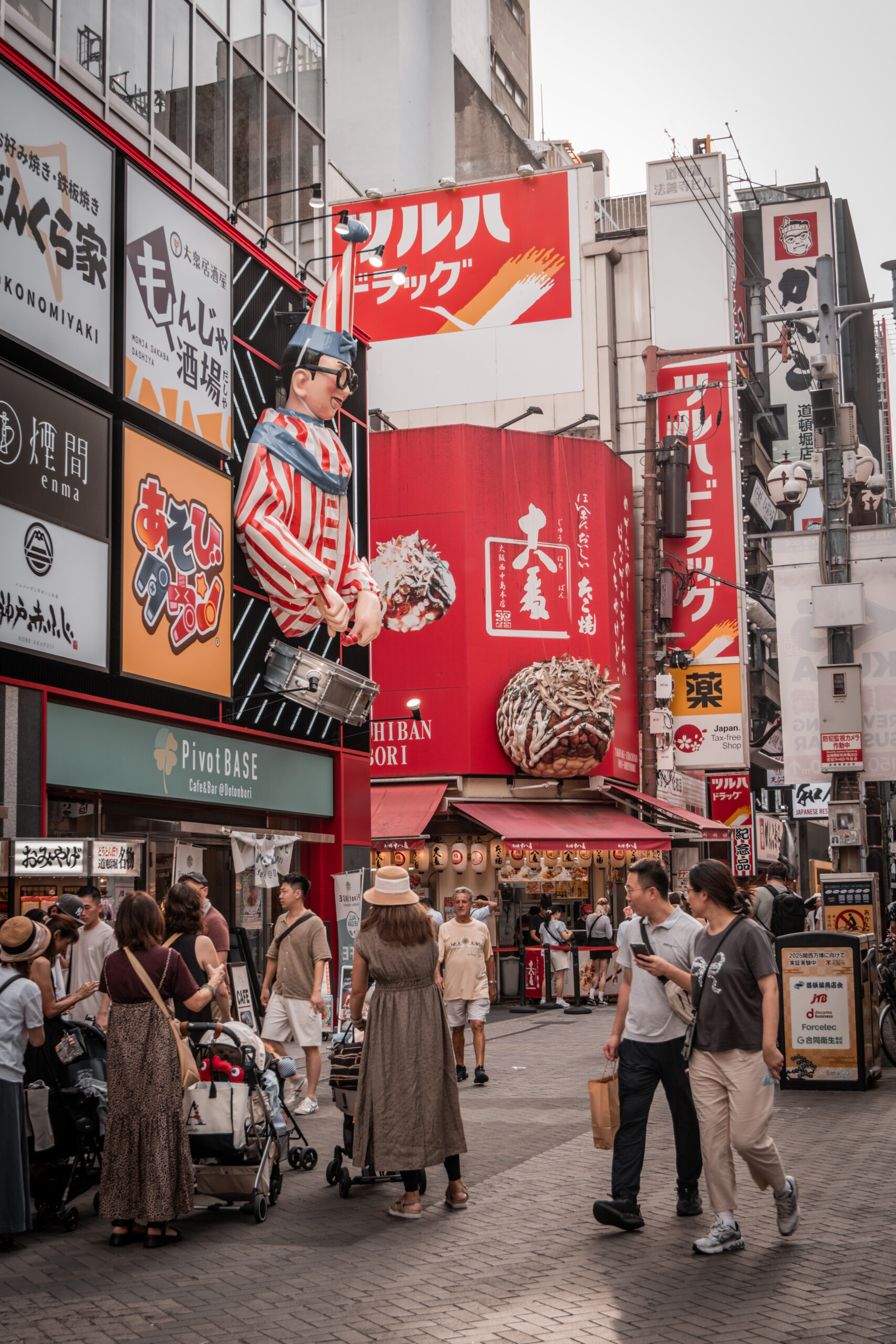
Osaka felt warmer right away. Louder, yes! but in a way that made me smile. It didn’t have Tokyo’s quiet precision or Kyoto’s calm grace. Osaka felt open, expressive, and unapologetically itself, like a city that invites you in and starts talking before you even sit down.
The streets buzzed with food stalls, laughter, and movement. People spoke louder, joked with strangers, and didn’t rush past each other the same way. I found myself eating more, lingering longer, saying yes to things without overthinking. Osaka felt less curated and more lived in.
What stood out most was the energy. Neon signs, busy crossings, the smell of street food everywhere, but none of it felt overwhelming. It felt fun. Easy. Like the city wanted you to enjoy yourself and not take anything too seriously.
Table of Contents
- Quick Facts To Get You Around
- Transportation Details
- Flights to Osaka
- Japanese Culture: Things to Know Before Visiting
- Osaka Itinerary: The Perfect 1, 2 & 3 Day Guide
- Osaka Food Guide (Street Food, Matcha, Local Eats)
- Best Time to Visit Osaka (Cherry Blossoms & Fall Colors)
- Where to Stay in Osaka (Best Neighborhoods)
- Day Trips from Osaka (Nara, Kyoto, Kobe)
- Osaka Nightlife & Shopping Guide
Quick Facts to get you around
Currency : Japanese Yen (JPY)
Cards are widely accepted, but keep cash for temples, small shops, and local cafes.
Visa : Japan Tourist Visa 🇯🇵
Visa free entry for many passports; others must apply in advance.
Public transport : JR & Metro Lines 🚆
JR lines, Osaka Metro, and private railways connect neighborhoods across Osaka and make it easy to explore the city and nearby areas like Kyoto, Nara, and Kobe.
Language : Japanese 🇯🇵
English is commonly understood in tourist areas.
“(Konnichiwa)” – Hello,
“(Arigatō)” – Thank you
Climate : Temperate with Four Distinct Seasons
(Dec–Feb): 35–50°F (2–10°C) cool, mostly dry, occasional light snow ❄️
(Mar–May): 50–70°F (10–21°C) mild, cherry blossoms 🌸
(Jun–Aug): 75–90°F (24–32°C) hot, humid, lively summer festivals ☀️
(Sep–Nov): 60–75°F (16–24°C) cool, colorful, very pleasant 🍂
Airport : Kansai International Airport (KIX)
KIX is the main international gateway for Osaka, located on an artificial island in Osaka Bay. Trains run frequently, with travel time of ~45–60 minutes to central Osaka.
Alternate Airports: Itami Airport (ITM): Domestic flights, ~30–45 minutes to Osaka
Haneda (HND) / Narita (NRT): If arriving via Tokyo, reach Osaka by Shinkansen in ~2.5–3 hours 🚄
Train station : Osaka Station
Osaka Station is a major rail hub with direct connections to Kyoto, Nara, Kobe, Hiroshima, and Tokyo, along with easy access to JR lines, local trains, and nearby Shinkansen stations (Shin-Osaka) for travel across Japan.uding Kyoto, Osaka, Yokohama, and Nagoya, along with easy access to JR lines, subways, and Shinkansen routes throughout the city.
Quick Apps:
Google Maps, Japan Transit Planner, JR East App, Suica / PASMO
🚍 Transportation Details
Osaka is very easy to explore without a car and honestly, driving here just gets in the way. The city is built around fast trains, an extensive metro system, and simple connections to nearby cities, making it one of the most convenient bases in Japan. Transportation feels lively but efficient, and once you understand a couple of key lines, everything clicks.
🚆 Trains
Trains are the quickest way to move around Osaka and beyond.
Osaka Station is the main hub, connecting you to Kyoto, Nara, Kobe, and Hiroshima.
JR lines and private railways cover most of the city, while Shin Osaka Station handles Shinkansen routes across Japan.
💡 Trains are frequent, punctual, and ideal for both city travel and day trips.
🚇 Subway Lines (Best for City Exploring)
Osaka Metro is extensive and very easy to use.
Major lines connect areas like Namba, Umeda, Shinsekai, and Osaka Castle.
Stations are well-marked in English and color-coded.
💡 If you’re staying central, the subway alone can cover most of your itinerary.
🚌 Buses (Occasional but Useful)
Buses exist, but most travelers won’t need them often.
They’re useful for short gaps or specific neighborhoods, but trains and metro are faster.
💡 Stick to rail unless a bus is the most direct option.
🚄 Day Trips from Osaka
Osaka is perfectly positioned for easy day trips:
Kyoto: ~15–30 minutes
Nara: ~40–45 minutes
Kobe: ~30 minutes
Himeji: ~1 hour (castle 🏯)
Hiroshima: ~1.5 hours by Shinkansen 🚄
🎟️ Tickets & Travel Passes
Use IC cards (ICOCA / Suica) for tap-and-go travel
Day passes are helpful if you’re moving a lot within Osaka
Tickets are easy to buy at stations, machines, or apps
💡 IC cards work across most of Japan, not just Osaka.
🌍 Getting Around Overall
Osaka moves faster than Kyoto and feels more playful, but transportation is just as reliable. Walking between neighborhoods, hopping on short train rides, and planning loosely works best. Once you fall into Osaka’s rhythm, getting around feels effortless and you’ll spend more time enjoying the city than figuring it out.
✈️ Flights to Osaka
Kansai International Airport (KIX) is the main international gateway for travelers heading to Osaka. Built on an artificial island in Osaka Bay, KIX is served by major airlines such as ANA, Japan Airlines, United, Delta, American Airlines, Emirates, Qatar Airways, Singapore Airlines, and many others, with direct flights from cities across Asia, the Middle East, Europe, and North America. From KIX, central Osaka is easy to reach by JR train or airport express in about 45–60 minutes.
Itami Airport (ITM) is a convenient option for domestic flights within Japan. While it doesn’t handle long-haul international routes, it’s closer to the city, with travel time to Osaka around 30–45 minutes by bus or train.
Tokyo’s airports: Haneda (HND) and Narita (NRT) are also common entry points for international travelers doing a multi-city Japan trip. From Tokyo, Osaka is easily reachable by Shinkansen in about 2.5–3 hours, making this a very popular route.
Best Tip: Fly into Kansai International Airport (KIX) for the smoothest arrival to Osaka. Train connections are frequent, straightforward, and stress free, no car needed.
Cheapest Months: January, February, and late November often offer lower airfare to Osaka, along with fewer crowds and better hotel availability.
🇯🇵 Japanese Culture: Things to Know Before Visiting
Japan is incredibly welcoming, but it’s also a place where small gestures matter. Knowing a few cultural basics will not only help you avoid awkward moments, it’ll deepen your experience and show respect in ways locals truly appreciate.
🙇 Politeness Is Everything
Courtesy is central to Japanese culture. People bow lightly instead of shaking hands, speak calmly, and avoid confrontation. You don’t need to bow perfectly, a small nod and a smile go a long way 🤍.
🗣️ Quiet Is Considered Respectful
Public spaces are peaceful by default. On trains and buses, conversations are kept soft, and phone calls are avoided. Even in busy cities, this quiet respect creates a calm atmosphere, lean into it.
👟 Shoes Off Indoors
Always remove your shoes when entering homes, ryokan, temples, and some restaurants. You’ll usually see a clear entry area or slippers provided. Wearing shoes indoors is considered disrespectful.
🍜 Dining Etiquette Basics
Slurping noodles is okay (even encouraged!)
Don’t stick chopsticks upright in rice
Don’t pass food chopstick to chopstick
Say “Itadakimasu” before eating and “Gochisousama” after, even quietly
Meals are meant to be enjoyed thoughtfully, not rushed.
💴 Cash Is Still King
Japan is modern, but many small restaurants, temples, and shops are cash only. Always carry yen for offerings, tickets, and local eateries.
🧍 Respect Personal Space
Personal space is important. Avoid touching strangers, hugging, or standing too close. Queuing is orderly and expected, always follow lines and signs.
📸 Be Mindful With Photos
Photography is usually allowed outdoors, but many temples, shrines, and shops restrict photos inside. Always look for signs, and never photograph people without permission especially in traditional areas like Gion. Drones are not allowed in most of the places. Sometimes even tripods are not allowed inside temples.
🎎 Temples & Shrines Etiquette
Walk to the side of torii gates and shrine paths (the center is symbolic)
Cleanse hands at water basins before entering
Be quiet and observant, these are active spiritual spaces
You don’t need to know every ritual, just be respectful and unhurried.
🕰️ Punctuality Matters
Trains run on time, to the minute. Being late is considered rude, so plan to arrive a few minutes early for reservations and tours.
🤍 The Unspoken Rule: Observe First
When in doubt, watch what locals do and follow their lead. Japanese culture values awareness, subtlety, and consideration more than perfection.
✨ Final Thought
Japan doesn’t expect you to be perfect, just thoughtful. A little effort, a calm presence, and genuine respect will be met with warmth, kindness, and unforgettable hospitality.
Osaka Itinerary: The Perfect 1, 2 & 3 Day Guide
Osaka is fun, loud, and full of personality, a city that doesn’t take itself too seriously. It’s all about good food, easy wandering, and saying yes when something smells amazing or looks interesting. This itinerary balances iconic sights with local loved spots, so it feels real, not rushed.
🗓️ Day 1: First Taste of Osaka (Food & Neon Streets)
Start your day around Osaka Castle 🏯. Walk through the surrounding park, especially nice in cherry blossom season 🌸. You don’t need to spend hours inside, the grounds alone are worth it.
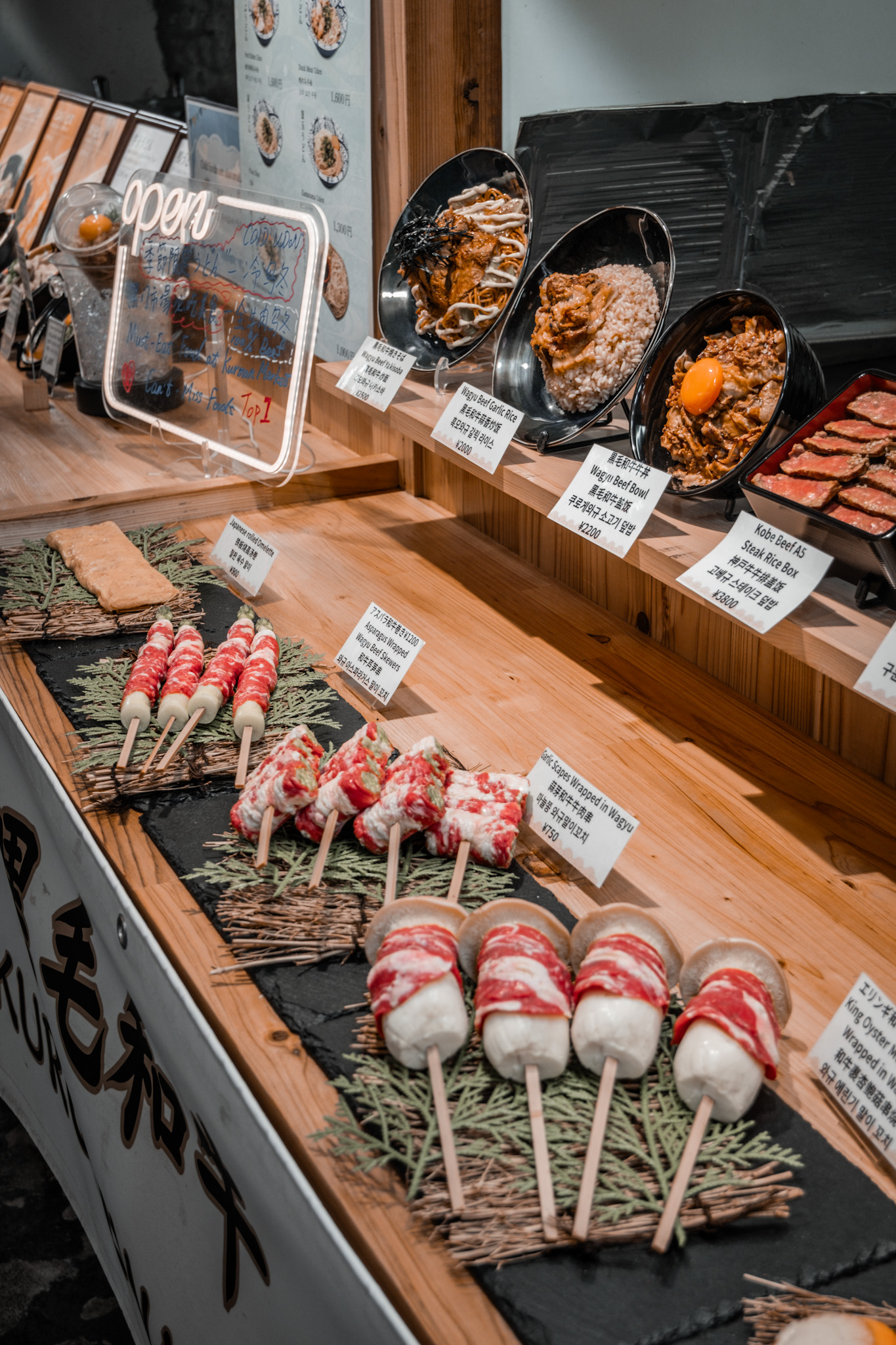
Head to Kuromon Ichiba Market 🍢 for lunch. This is where Osaka’s food soul lives.
Local favorites to try:
Takoyaki (octopus balls) 🐙
Grilled scallops
Wagyu skewers
Fresh mochi or fruit desserts
In the evening, explore Dotonbori 🌃. Neon lights, canal views, street food everywhere. Walk slowly, eat a little of everything, and don’t overthink it.
💡 Local tip: Skip the busiest takoyaki lines, smaller stalls are often better.
🗓️ Day 2: Neighborhoods, Views & Local Life
Start in Shinsekai 🎡 old school Osaka with a slightly gritty, nostalgic feel. Try kushikatsu (deep-fried skewers) for lunch.
⚠️ Rule: No double-dipping sauce, seriously 😄
Next, head to Tennoji Park 🌿 for a calmer break from the city buzz.
In the afternoon, visit Umeda Sky Building 🌆. The Floating Garden Observatory gives you one of the best city views in Japan — especially at sunset.
Evening option (local favorite):
Explore small izakayas around Namba 🍻
Or walk through quieter side streets for hidden ramen shops 🍜
🗓️ Day 3: Day Trips or Deeper Osaka (Optional)
Option 1: Easy Day Trips 🚄
Osaka is perfectly located for quick escapes:
Kyoto ~15–30 min (temples & calm)
Nara ~40 min (deer 🦌 & Great Buddha)
Kobe ~30 min (harbor views & beef 🥩)
Option 2: Stay in Osaka
Visit Sumiyoshi Taisha ⛩️ (local shrine, less touristy)
Go shopping in Shinsaibashi 🛍️
Café-hop or thrift shop in quieter neighborhoods
🍴 What Osaka Is Known For (Eat These!)
Takoyaki 🐙
Okonomiyaki 🥞
Kushikatsu 🍢
Ramen & late night noodles 🍜
💡 Osaka rule: Eat when you’re hungry, not when it’s “meal time.”
✨ Final Tips
Osaka is walkable but trains are super easy 🚆
Street food is best eaten slowly, standing nearby
Locals are friendly, Osaka feels more open and expressive than Tokyo
Don’t overplan, spontaneity is part of the charm
🍢🍜 Osaka Food Guide: Street Food & Local Favorites
Osaka is known as Japan’s kitchen and once you eat here, you’ll understand why. Food isn’t fancy or quiet; it’s bold, comforting, and meant to be enjoyed out loud. Locals eat often, casually, and without overthinking it. Follow your nose, it rarely leads you wrong.
🌃 Street Food Capital of Japan
The heart of Osaka street food is Dotonbori, neon lights, sizzling grills, and stalls everywhere.
Must-try street foods:
Takoyaki 🐙 – crispy outside, gooey inside (Osaka’s signature)
Okonomiyaki 🥞 – savory pancake with cabbage, pork, seafood
Kushikatsu 🍢 – deep-fried skewers (meat, veggies, cheese)
⚠️ No double-dipping sauce,locals take this seriously
Yakisoba – stir-fried noodles, simple and satisfying
💡 Local tip: Smaller, less flashy stalls are often better than the ones with long tourist lines.
🍤 Markets Locals Love
Head to Kuromon Ichiba Market for daytime eating and grazing.
What to try here:
Grilled scallops & crab legs
Wagyu beef skewers 🥩
Fresh mochi & fruit desserts
Tamagoyaki (Japanese omelet)
It’s perfect for trying lots of things without committing to one big meal.
🍜 Everyday Osaka Eats (Locals Actually Eat This)
Osaka comfort food is casual and filling.
Ramen 🍜 : rich broths, late-night favorite
Udon : thicker noodles, lighter broth
Gyudon : beef bowl, fast and affordable
Tonkatsu : crispy pork cutlet with cabbage
💡 Many small spots use ticket machines, just pick what looks good.
🍻 Izakayas & Night Eats
Osaka shines at night. Wander around Namba or side streets near Dotonbori for cozy izakayas.
Expect:
Small plates to share
Beer, highballs, sake
Loud conversations & friendly vibes
Solo dining is totally normal here.
🌿 Food Tips for Osaka
Cash is still common for street food 💴
Eating while walking is discouraged, stand nearby
Don’t rush meals, food is part of the experience
Convenience store food is surprisingly good
🤍 Why Food in Osaka Feels Different
Osaka food is joyful. It’s messy, comforting, and meant to be shared. People eat because they love it, not because it’s trendy or aesthetic. That’s what makes it unforgettable.
🌸🍁 Best Time to Visit Osaka
Osaka is great year-round, but spring and fall are when the city really shines, comfortable weather, seasonal beauty, and the best overall vibe.
🌸 Spring (March–April) : Cherry Blossoms & Mild Weather
This is one of the most popular times to visit. Parks and castle grounds bloom with sakura, and the city feels festive but relaxed.
Why go: Cherry blossoms, pleasant temperatures
Things to know: Busy + higher hotel prices
🍁 Fall (October–November) : Best Overall Time
Cool air, colorful leaves, and fewer crowds than spring. Walking around Osaka feels effortless, and food tastes even better in the crisp weather.
Why go: Comfortable temps, autumn colors, great sightseeing
Things to know: Short peak foliage window in mid–late November
☀️ Summer (June–August) : Festivals & Energy
Hot and humid, but full of life. Summer festivals, fireworks, and street food are everywhere.
Why go: Lively atmosphere, local festivals
Things to know: Heat + humidity can be intense
❄️ Winter (December–February) : Quiet & Budget-Friendly
Cool, mostly dry, and calm. Snow is rare, and crowds are lighter.
Why go: Lower prices, fewer tourists
Things to know: Shorter daylight, colder evenings
✨ Quick Take
Best overall: October–November 🍂
Best for cherry blossoms: Late March–early April 🌸
Best for budget travel: January–February ❄️
Best for festivals: July–August ☀️
Osaka is fun in every season, it just depends on whether you want blossoms, colors, festivals, or fewer crowds 🤍
🛏️ Where to Stay in Osaka (Best Areas)
Osaka is easy to navigate, so the right neighborhood makes your trip smoother and more fun. These areas cover different travel styles, from neon nights to quiet mornings, so you can pick what fits you best.
🌃 Namba : Lively, Central & Food-Focused
If it’s your first time, Namba is a favorite. You’re steps from Dotonbori, street food, shopping, and late-night eats.
Best for: First-timers, food lovers, nightlife
Why stay: Walkable, energetic, tons to do
Keep in mind: Busy at night
🚉 Umeda : Most Convenient
Near Osaka Station, Umeda is perfect for day trips and fast connections.
Best for: Short stays, day trips, convenience
Why stay: Excellent transport, malls, dining
Keep in mind: Less traditional vibe
🛍️ Shinsaibashi : Shopping & Central Living
A covered arcade with fashion, beauty, cafés, and easy access to Namba.
Best for: Shopping lovers, central base
Why stay: Close to everything
Keep in mind: Can get crowded
🎡 Shinsekai : Retro & Budget-Friendly
Old-school Osaka with kushikatsu spots and a local feel.
Best for: Budget travelers, local vibes
Why stay: Affordable, unique character
Keep in mind: Fewer upscale hotels
🌿 Tennoji : Calm & Well-Connected
Near parks and temples, Tennoji is quieter but still central.
Best for: Relaxed stays, families
Why stay: Green space, good transport
Keep in mind: Quieter nightlife
🎨 Amerikamura : Youthful & Trendy
Streetwear, thrift shops, cafés—Osaka’s creative corner.
Best for: Younger travelers, street style
Why stay: Fun, expressive, close to Namba
Keep in mind: Lively and noisy at times
✨ Quick Tips
Stay within 5 minutes of a station, it matters more than the area
Namba = fun & food | Umeda = transport & day trips
IC cards (ICOCA) make hopping around effortless 🚆
Bottom line: You can’t go wrong, Osaka’s compact and connected. Choose your vibe, and the city will do the rest 🤍
🚄 Day Trips from Osaka (Kyoto, Nara & Kobe)
One of the best things about Osaka is its location. With fast, frequent trains, you can easily explore historic temples, coastal cities, and cultural landmarks all without changing hotels.
🏯 Kyoto : Temples, Tradition & Calm
Travel time: ~15–30 minutes
Kyoto is the perfect contrast to Osaka’s energy. Ancient temples, quiet streets, and traditional neighborhoods make it feel timeless. Even a single day lets you experience a completely different side of Japan.
Don’t miss:
Fushimi Inari Taisha ⛩️
Gion district
Kiyomizu-dera
💡 Best for: Culture lovers and first-time visitors.
🦌 Nara : Deer & Ancient History
Travel time: ~40–45 minutes
Nara is calm, green, and deeply historic. It’s home to the famous Great Buddha and friendly deer that roam freely through the park.
Don’t miss:
Todai-ji Temple (Great Buddha)
Nara Park 🦌
Kasuga Taisha
💡 Best for: Relaxed half-day or full-day trips.
🌊 Kobe : Harbor Views & Food
Travel time: ~30 minutes
Kobe feels international and relaxed, with waterfront views, hillside neighborhoods, and great food. It’s a refreshing change of pace.
Don’t miss:
Kobe Harborland
Chinatown (Nankinmachi)
Kobe beef (if you want to splurge 🥩)
💡 Best for: Food lovers and scenic walks.
✨ How to Choose Your Day Trip
History & temples: Kyoto
Nature & calm: Nara
Food & views: Kobe
All three are easy by train and perfect for a one day escape.
🤍 Final Thought
Osaka makes an ideal base. In under an hour, you can step into ancient temples, wander among deer, or stroll along the harbor, then be back in Osaka for dinner and neon lights.
🌃🛍️ Osaka Nightlife & Shopping Guide
Osaka at night is lively, casual, and full of personality. It’s less polished than Tokyo and more playful, the kind of place where plans change because you stumble into something better. Whether you want neon streets, late night eats, bars, or shopping, Osaka delivers without trying too hard.
🌃 Nightlife in Osaka
✨ Dotonbori Neon, Food & Energy
Dotonbori is Osaka’s most iconic nightlife area. Bright signs reflect off the canal, street food stalls stay open late, and the energy feels fun rather than overwhelming.
Do this at night:
Walk along the canal
Snack on takoyaki 🐙 or okonomiyaki
Take photos under the neon lights
💡 Best for: First-time visitors, casual nights, food-focused evenings.
🍻 Namba Izakayas & Bar Hopping
Namba is packed with small bars, cozy izakayas, and late-night restaurants. It’s loud, social, and very Osaka.
What you’ll find:
Local izakayas
Beer, highballs, sake
Friendly, talkative crowds
💡 Solo dining and drinking is completely normal here.
🌃 Shinsekai Retro & Gritty
Shinsekai feels old school and nostalgic, with glowing signs and kushikatsu shops everywhere. It’s not fancy, but it’s memorable.
Come for:
Kushikatsu 🍢
Retro vibes
A more local, lived in feel
🌆 Umeda Sky Building Night Views
For a calmer night, head to the Floating Garden Observatory. The city lights stretch endlessly, and it’s especially beautiful after sunset.
🛍️ Shopping in Osaka
🛍️ Shinsaibashi, Main Shopping Hub
Shinsaibashi is Osaka’s busiest shopping area, with a long covered arcade full of fashion, beauty, souvenirs, and snacks.
Shop for:
Japanese skincare & beauty
Trendy clothing
Souvenirs & gifts
🏬 Amerikamura, Youth & Street Style
Amerikamura (Amemura) is Osaka’s edgy, creative side. Think thrift shops, streetwear, cafés, and vintage finds.
Best for:
Thrifting
Street fashion
Unique, local brands
🏙️ Umeda, Malls & Department Stores
Umeda is home to large department stores and underground shopping streets.
Best for:
Department stores
Underground malls
Easy shopping near Osaka Station
✨ Tips for Nightlife & Shopping
Most shops stay open late, especially in Namba & Shinsaibashi
Nightlife in Osaka is relaxed, no dress codes
Cash is useful for small bars & street food
Last trains usually run around midnight 🚆
🤍 Final Thought
Osaka nightlife isn’t about clubs or exclusivity, it’s about good food, easy conversations, and staying out longer than planned. Shopping feels just as fun: less curated, more expressive, and full of personality. That’s Osaka.