Welcome to Tokyo 🇯🇵
Tokyo hit me differently than I expected. I thought it would feel loud and overwhelming, like a city that never gives you a break. But once I was there, it didn’t feel chaotic at all. It felt organized. Fast, yes but calm in its own way.
Some mornings I woke up early just to walk around. Not to see anything specific, just to watch the city move. People grabbing coffee, trains arriving right on time, shops slowly opening their doors. Even with so many people around, everything felt smooth and quiet, like everyone knew exactly where they were going.
What I loved most were the in between moments. Turning off a busy street and suddenly finding a tiny ramen shop, a vending machine glowing in the corner, or a small shrine tucked between tall buildings. Tokyo hides its softer side in plain sight, and you only notice it when you slow down a little.
Even when the city was busy, it never felt stressful. Trains were full but quiet. People lined up without being told. There was this unspoken respect for space and time. I started noticing little things, how neatly everything was done, how effortless it all felt.
Leaving Tokyo didn’t feel like an ending. It felt like a pause. Like I’d only seen one version of the city, and there were so many more waiting. And somehow, after I left, I carried a bit of Tokyo with me, moving a little more intentionally, paying attention, and trusting that things can be fast without being overwhelming.
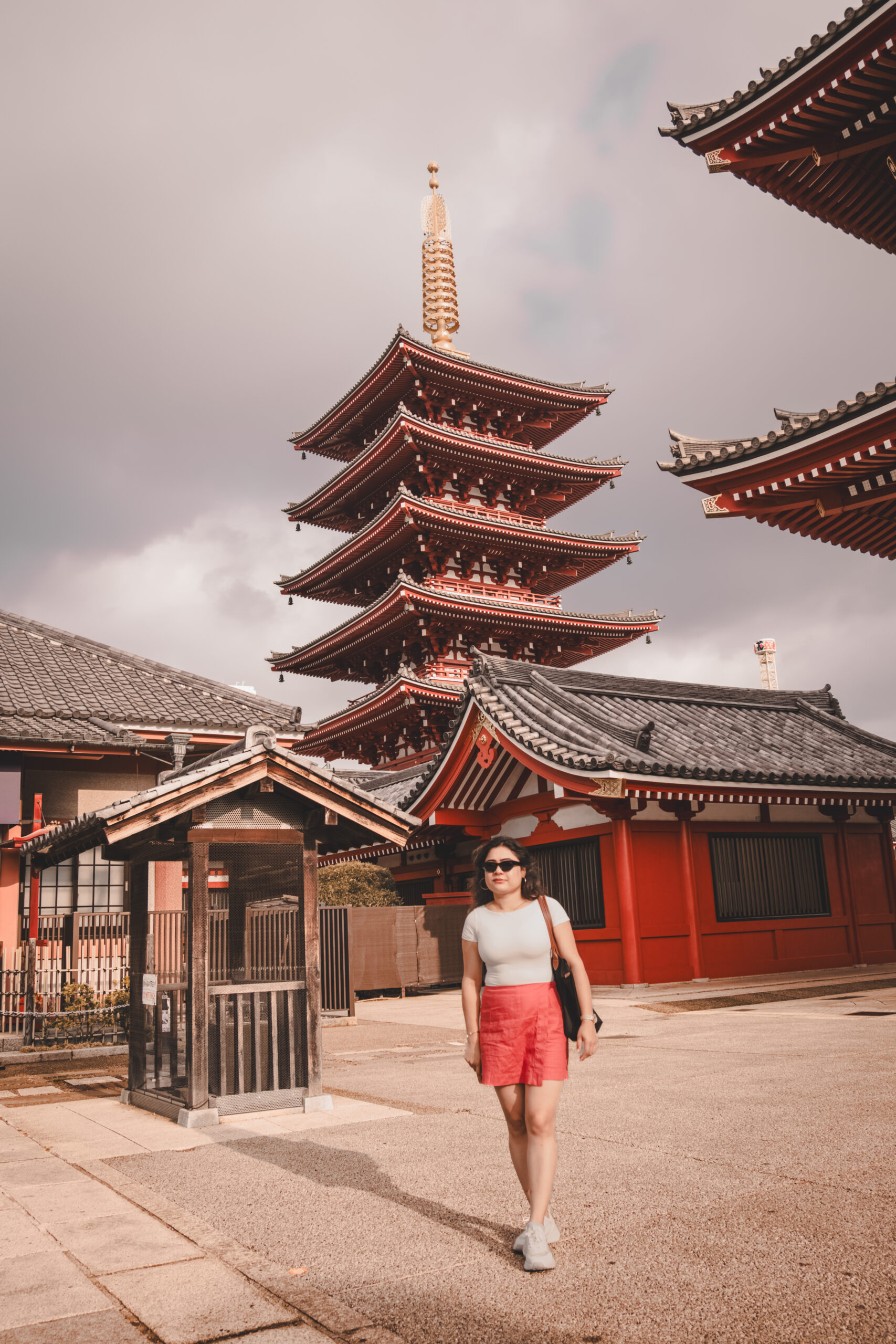
Table of Contents
- Quick Facts To Get You Around
- Transportation Details
- Flights to Kyoto
- Japanese Culture: Things to Know Before Visiting
- Tokyo Itinerary: The Perfect 1, 2 & 3 Day Guide
- Tokyo neighborhoods guide (Shibuya, Shinjuku, Asakusa, Ginza)
- Best Time to Visit Tokyo (Cherry Blossoms & Fall Colors)
- Tokyo Food Guide (Street Food, Matcha, Local Eats)
- Where to Stay in Tokyo (Best Neighborhoods)
- Day Trips from Tokyo (Easy & Worth It)
Quick Facts to get you around
Currency : Japanese Yen (JPY)
Cards are widely accepted, but keep cash for temples, small shops, and local cafes.
Visa : Japan Tourist Visa 🇯🇵
Visa free entry for many passports; others must apply in advance.
Public transport : JR & Metro Lines 🚆
JR lines, Tokyo Metro, and Toei Subway connect neighborhoods across Tokyo and make it easy to explore the city and nearby areas..
Language : Japanese 🇯🇵
English is commonly understood in tourist areas.
“(Konnichiwa)” – Hello,
“(Arigatō)” – Thank you
Climate : Temperate with Four Distinct Seasons
(Dec–Feb): 35–50°F (2–10°C) cold, dry, occasional snow ❄️
(Mar–May): 50–70°F (10–21°C) mild, cherry blossoms 🌸
(Jun–Aug): 75–90°F (24–32°C) hot, humid, summer festivals ☀️
(Sep–Nov): 60–75°F (16–24°C) cool, colorful, very pleasant 🍂
Airport : Haneda Airport (HND)
Haneda is the most convenient airport for Tokyo, located close to the city center. Trains and monorails run frequently, with travel time of ~20–40 minutes depending on where you’re staying.
Alternate Airports:
Narita International Airport (NRT): Major international hub, ~60–90 minutes to Tokyo by train
Kansai International Airport (KIX): Best if combining with Kyoto/Osaka; reach Tokyo by Shinkansen in ~2.5–3 hours 🚄
Train station : Tokyo Station
Tokyo Station is a major rail hub with direct connections to cities across Japan, including Kyoto, Osaka, Yokohama, and Nagoya, along with easy access to JR lines, subways, and Shinkansen routes throughout the city.
Quick Apps:
Google Maps, Japan Transit Planner, JR East App, Suica / PASMO
🚍 Transportation Details
Tokyo is incredibly easy to explore without a car and honestly, driving here would slow you down more than help. The city runs on one of the most efficient public transportation systems in the world, and once you understand the basics, getting around feels smooth, logical, and surprisingly stress-free.
🚆 Trains (The Backbone of Tokyo Travel)
Trains are the fastest and most reliable way to move around Tokyo.
Tokyo Station, Shinjuku, Shibuya, and Ueno act as major hubs connecting different parts of the city and beyond.
JR lines (especially the Yamanote Line) loop around central Tokyo, while private railways fill in the gaps.
💡 Trains are extremely punctual, clean, and clearly labeled in English.
🚇 Subway Lines (Best for Neighborhood Hopping)
Tokyo’s subway system is vast but well organized, run by Tokyo Metro and Toei Subway.
Lines are color coded, stations are numbered, and signage is very foreigner-friendly.
Perfect for reaching areas trains don’t directly connect.
💡 It looks intimidating at first, but Google Maps makes it effortless.
🚌 Buses (Useful, but Optional)
Buses exist, but most travelers won’t rely on them as much as trains.
They’re useful for short distances or specific neighborhoods, but slower than rail.
💡 Stick to trains and subways unless a bus is the most direct option.
🚄 Day Trips from Tokyo
Tokyo is perfectly placed for easy day trips:
Kyoto: ~2.5–3 hours by Shinkansen
Hakone: ~1.5 hours
Nikko: ~2 hours
Kamakura: ~1 hour
Yokohama: ~30 minutes
🎟️ Tickets & Travel Passes
Use IC cards (Suica or PASMO) for tap and go travel
Recharge at stations or convenience stores
Buy tickets via machines, apps, or counters
💡 IC cards work across most of Japan, not just Tokyo.
🌍 Getting Around Overall
Tokyo moves fast, but it’s incredibly organized. Once you learn one or two main lines, everything clicks. Walking between stations, combining subways with trains, and trusting the system makes getting around feel natural, even in one of the world’s biggest cities.
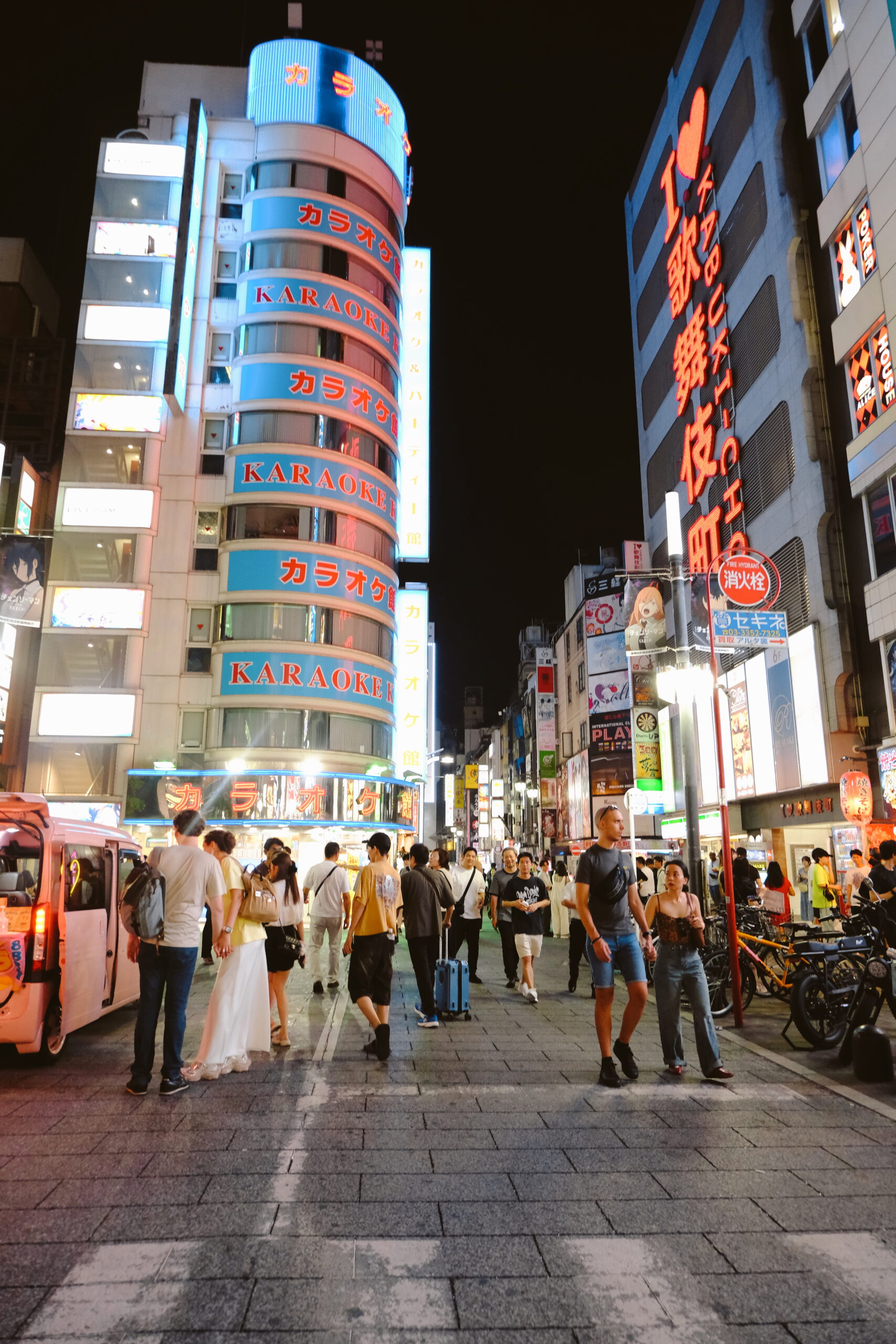
✈️ Flights to Tokyo
Haneda Airport (HND) is the main international gateway for travelers heading to Tokyo. It’s served by major airlines such as ANA, Japan Airlines, United, Delta, American Airlines, Emirates, Qatar Airways, Singapore Airlines, and many others, with direct flights from cities across Asia, Europe, the Middle East, and North America. From Haneda, central Tokyo is easily reachable in about 20–40 minutes by train or monorail.
Narita International Airport (NRT) is Tokyo’s other major international hub, especially for long haul flights. It’s well connected to the city by Narita Express and Skyliner trains, with travel time of around 60–90 minutes depending on your destination.
Kansai International Airport (KIX) is another common entry point if you’re combining Tokyo with Kyoto or Osaka. From KIX, Tokyo is reachable by Shinkansen in about 2.5–3 hours, making it a popular multi city Japan route.
Best Tip: Fly into Haneda Airport (HND) if possible. It’s closer to the city, easier to navigate, and makes arrival into Tokyo quick and stress free, no car needed.
Cheapest Months: January, February, and late November often offer lower airfare to Tokyo, along with fewer crowds and better hotel availability.
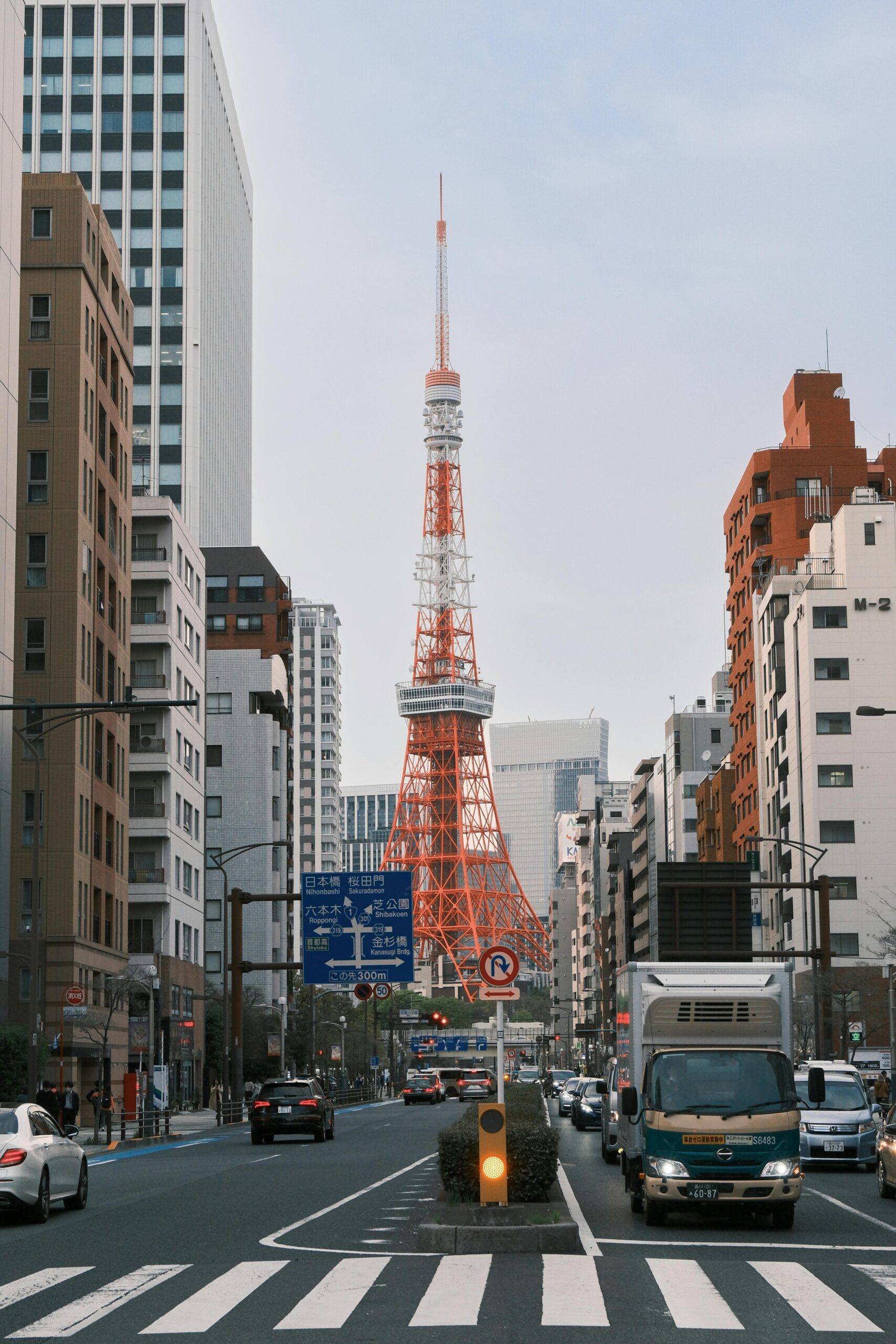
🇯🇵 Japanese Culture: Things to Know Before Visiting
Japan is incredibly welcoming, but it’s also a place where small gestures matter. Knowing a few cultural basics will not only help you avoid awkward moments, it’ll deepen your experience and show respect in ways locals truly appreciate.
🙇 Politeness Is Everything
Courtesy is central to Japanese culture. People bow lightly instead of shaking hands, speak calmly, and avoid confrontation. You don’t need to bow perfectly, a small nod and a smile go a long way 🤍.
🗣️ Quiet Is Considered Respectful
Public spaces are peaceful by default. On trains and buses, conversations are kept soft, and phone calls are avoided. Even in busy cities, this quiet respect creates a calm atmosphere, lean into it.
👟 Shoes Off Indoors
Always remove your shoes when entering homes, ryokan, temples, and some restaurants. You’ll usually see a clear entry area or slippers provided. Wearing shoes indoors is considered disrespectful.
🍜 Dining Etiquette Basics
Slurping noodles is okay (even encouraged!)
Don’t stick chopsticks upright in rice
Don’t pass food chopstick to chopstick
Say “Itadakimasu” before eating and “Gochisousama” after, even quietly
Meals are meant to be enjoyed thoughtfully, not rushed.
💴 Cash Is Still King
Japan is modern, but many small restaurants, temples, and shops are cash only. Always carry yen for offerings, tickets, and local eateries.
🧍 Respect Personal Space
Personal space is important. Avoid touching strangers, hugging, or standing too close. Queuing is orderly and expected, always follow lines and signs.
📸 Be Mindful With Photos
Photography is usually allowed outdoors, but many temples, shrines, and shops restrict photos inside. Always look for signs, and never photograph people without permission especially in traditional areas like Gion. Drones are not allowed in most of the places. Sometimes even tripods are not allowed inside temples.
🎎 Temples & Shrines Etiquette
Walk to the side of torii gates and shrine paths (the center is symbolic)
Cleanse hands at water basins before entering
Be quiet and observant, these are active spiritual spaces
You don’t need to know every ritual, just be respectful and unhurried.
🕰️ Punctuality Matters
Trains run on time, to the minute. Being late is considered rude, so plan to arrive a few minutes early for reservations and tours.
🤍 The Unspoken Rule: Observe First
When in doubt, watch what locals do and follow their lead. Japanese culture values awareness, subtlety, and consideration more than perfection.
✨ Final Thought
Japan doesn’t expect you to be perfect, just thoughtful. A little effort, a calm presence, and genuine respect will be met with warmth, kindness, and unforgettable hospitality.
Tokyo Itinerary: The Perfect 1, 2 & 3 Day Guide
Tokyo moves fast, but it’s surprisingly easy to fall into its rhythm. This itinerary mixes iconic views, playful experiences, culture, shopping, and food without trying to do too much in one day.
🗓️ Day 1: Old Tokyo, Street Life & Neon Nights
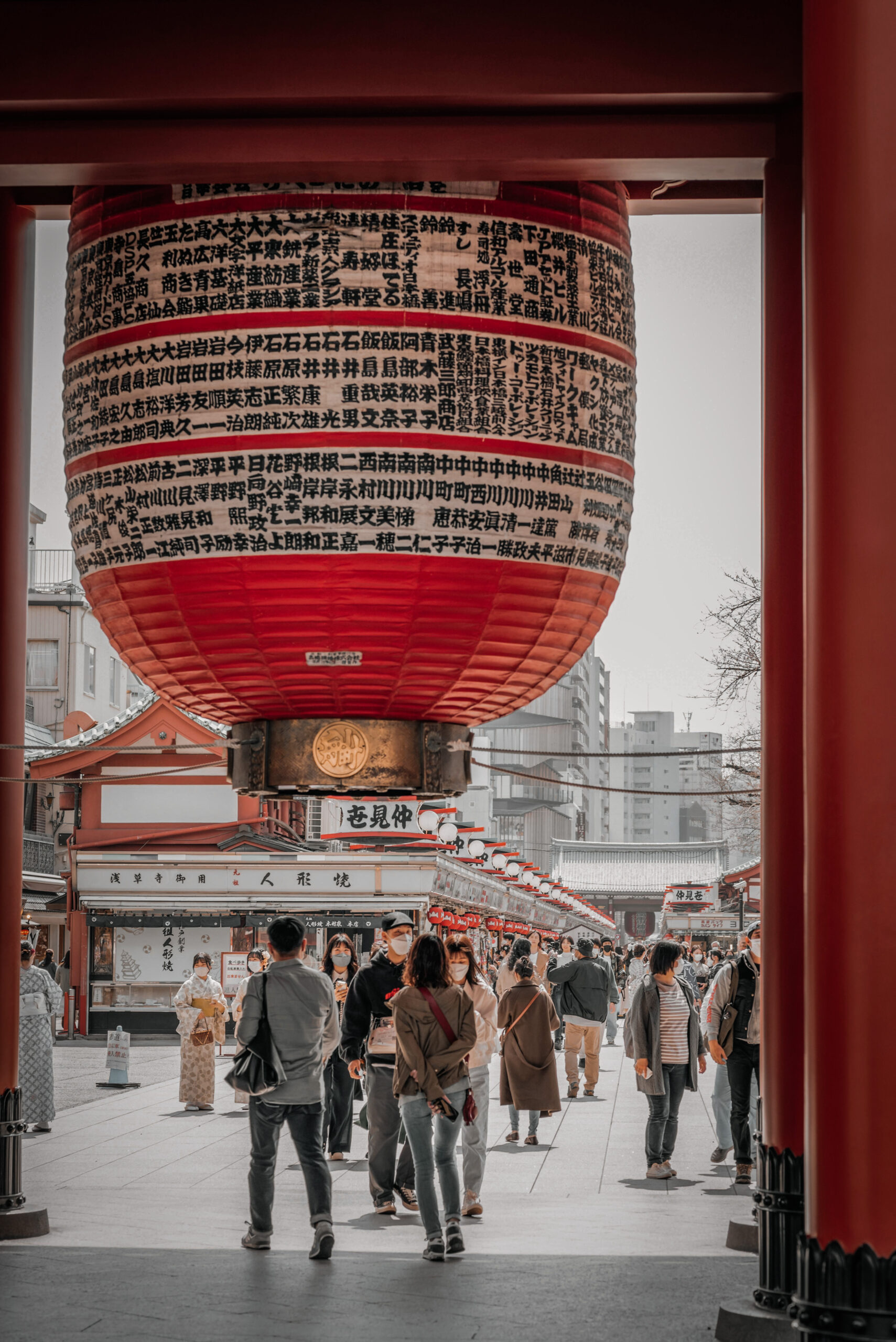
Start your morning in Asakusa, visiting Senso-ji ⛩️. Walk through Kaminarimon Gate, browse Nakamise Street snacks, and take your time soaking in Tokyo’s traditional side.
After that, head to Tsukiji Outer Market 🍣 for fresh seafood, tamagoyaki, and quick bites. It’s casual, busy, and very local.
In the afternoon, make your way to Shibuya. Watch the famous Shibuya Crossing 🚦, explore nearby shops, and grab coffee.
End the day at Shibuya Sky 🌆. The open-air rooftop views at sunset are unreal, one of the best city views in the world.
💡 Book tickets in advance.
🗓️ Day 2: Culture, Fashion & Digital Art
Start your morning at Meiji Shrine 🌿. Surrounded by forest, it’s calm, quiet, and the perfect contrast to the city outside.
From there, walk straight into Takeshita Street 🎀. It’s colorful, chaotic, and fun full of crepes, quirky fashion, and pop culture. Wander the side streets afterward for calmer cafés and vintage shops.
Next, head to Ginza 🛍️. This is Tokyo’s luxury shopping area sleek flagship stores, beautiful architecture, and stylish cafés. Even window shopping here feels special.
In the afternoon or evening, visit teamLab Planets Tokyo ✨. It’s immersive, surreal, and unlike anything else, mirrors, water rooms, light, and sound blending together.
💡 Reserve tickets early.
🗓️ Day 3: Playful Tokyo & Pop Culture
Today is all about Tokyo’s fun side.
Start in Akihabara ⚡ anime, manga, gaming, and electronics everywhere you look. Browse shops, themed stores, and collectibles.
Spend time in arcade game centers 🎮 multi level arcades filled with claw machines, rhythm games, racing simulators, and classic Japanese games. It’s loud, colorful, and ridiculously fun.
If you’re feeling adventurous, try Mario Kart street racing 🏎️ (guided and costume-based). Driving through Tokyo streets in costume is wild and unforgettable, just make sure you book with a licensed operator and follow the rules.
End your trip with a relaxed dinner, ramen, sushi, or an izakaya, something simple and satisfying.
✨ Helpful Tokyo Tips
Shibuya Sky & teamLab sell out fast, book early
Meiji Shrine is best early morning
Takeshita Street is busiest midday
Akihabara shines late afternoon to evening
Tokyo is huge, focus on areas, not checklists
🤍 Final Thought
Tokyo is playful, intense, calm, and futuristic all at once. One moment you’re standing quietly under trees at a shrine, the next you’re racing through neon streets or staring out over endless city lights. That contrast is what makes Tokyo unforgettable.
Tokyo neighborhoods guide (Shibuya, Shinjuku, Asakusa, Ginza)
Tokyo is a city of mini-cities. Each neighborhood feels like its own world, and exploring a few well gives you a better experience than trying to see everything.
🌆 Shibuya : Trendy, Energetic & Iconic
Youth culture, fashion, cafés, nightlife, and the famous crossing all live here. It’s fast-paced but fun, especially in the evenings.
Come for: Shibuya Crossing, Shibuya Sky, shopping, cafés
🌃 Shinjuku : Neon, Nightlife & Big-City Energy
Busy by day, electric by night. Skyscrapers, food alleys, bars, and one of the world’s busiest train stations.
Come for: Night views, Omoide Yokocho, nightlife, transport hub
⛩️ Asakusa : Traditional & Old Tokyo
Calmer and more historic, with temples, street snacks, and a slower pace that feels grounding.
Come for: Senso-ji, Nakamise Street, morning walks
🛍️ Ginza : Polished, Modern & Upscale
Luxury shopping, sleek architecture, and beautiful cafés. Stylish but surprisingly calm.
Come for: Flagship stores, cafés, evening strolls
🌇 Roppongi Hills : Modern, Artsy & International
A mix of museums, restaurants, and skyline views. Feels global and contemporary.
Come for: Mori Tower views, museums, upscale dining
💡 Great at sunset or night.
🎀 Harajuku : Fashion, Youth & Color
Playful, chaotic, and creative. Takeshita Street is loud and fun; side streets are calmer and trendy.
Come for: Takeshita Street, vintage shops, cafés
⚡ Akihabara : Anime, Gaming & Arcades
Bright, loud, and unapologetically nerdy. A must if you love pop culture or arcade games.
Come for: Anime shops, arcades, electronics
🌿 Ueno : Culture & Green Space
Museums, zoo, park paths, and cherry blossoms in spring. More relaxed and local.
Come for: Museums, Ueno Park, budget eats
🧢 Shimokitazawa : Indie, Vintage & Laid-Back
A favorite with locals. Thrift stores, record shops, and cozy cafés.
Come for: Vintage shopping, relaxed vibes
🌊 Odaiba : Waterfront & Futuristic
Wide open spaces, city views, and modern attractions. A nice break from dense city streets.
Come for: teamLab, Rainbow Bridge views, waterfront walks
✨ How to Choose What Fits You
High energy & nightlife: Shibuya, Shinjuku
Culture & history: Asakusa, Ueno
Shopping & style: Ginza, Harajuku
Modern views & museums: Roppongi Hills, Odaiba
Local & laid-back: Shimokitazawa
💡 Tokyo is huge, pick 2–3 neighborhoods per day and enjoy them fully.
🤍 Final Thought
Tokyo isn’t meant to be rushed or “completed.” Each neighborhood shows a different side of the city, playful, polished, historic, or futuristic. Together, they create the Tokyo you’ll remember.
Best Time to Visit Tokyo (Cherry Blossoms & Fall Colors)
Tokyo is a city that changes beautifully with the seasons, but spring and autumn are when it truly shines. These months bring the most comfortable weather, the prettiest scenery, and that special feeling where the city looks and feels its best.
🌸 Spring in Tokyo (Late March – Early April): Cherry Blossom Season
Cherry blossom season is one of the most magical times to visit Tokyo. For a short window, the city softens, parks, rivers, and quiet streets fill with pale pink sakura, and locals gather to celebrate hanami (flower viewing).
Expect lively parks, picnic vibes, and a festive atmosphere 🌸. It’s beautiful, emotional, and very memorable, but also the busiest time of year.
What to expect:
Mild weather (50–65°F / 10–18°C)
Peak crowds and higher hotel prices
Blossoms last about 7–10 days
💡 Tip: Visit parks early in the morning or on weekdays for a calmer experience.
🍁 Fall in Tokyo (Mid-November – Early December): Autumn Leaves
Autumn is often considered the best overall time to visit Tokyo. The city turns shades of red, orange, and gold, especially in parks, temple grounds, and along tree-lined streets 🍂.
The weather is crisp and comfortable, crowds are more manageable than spring, and walking around Tokyo feels effortless. Evenings are especially lovely with cooler air and glowing city lights.
What to expect:
Cool, pleasant weather (55–75°F / 13–24°C)
Fall colors lasting several weeks
Ideal for sightseeing and long walks
🌤️ Other Seasons to Consider
Summer (June–August): Hot and humid ☀️ Great for festivals, but less comfortable for sightseeing
Winter (January–February): Cold, clear, and quiet ❄️ Fewer crowds, great city views, and lower prices
✨ Final Take
If cherry blossoms are on your bucket list, aim for late March to early April. If you want the most comfortable weather and stunning colors without peak crowds, November is perfect. No matter when you go, Tokyo always has its own rhythm, but in spring and fall, it feels especially alive.
🍜 Tokyo Food Guide (Street Food, Matcha, Local Eats)
Tokyo eats are casual, comforting, and incredibly good, whether you’re grabbing food from a tiny counter, a busy market, or a vending machine at midnight. You don’t need fancy reservations to eat well here. Some of the best meals are quick, simple, and surprisingly memorable.
🍢 Street Food & Market Bites
Tokyo’s street food scene is more subtle than some Asian cities, but it’s everywhere once you know where to look.
Where to go:
Tsukiji Outer Market 🍣 : fresh seafood, grilled scallops, tuna skewers, tamagoyaki
Festival streets & temple areas, yakitori, taiyaki, dango
What to try:
Tamagoyaki (Japanese omelet)
Yakitori (grilled chicken skewers)
Taiyaki (fish-shaped pastry with red bean or custard)
Menchi-katsu or croquettes
💡 Street eating is usually done standing nearby, not while walking.
🍵 Matcha & Japanese Sweets
While Kyoto is famous for matcha, Tokyo has no shortage of excellent tea houses and dessert spots.
What to try:
Matcha soft serve 🍦
Matcha lattes (less sweet, more earthy)
Wagashi (traditional sweets with tea)
Parfaits layered with matcha, mochi, and red bean
Matcha here is smooth and slightly bitter, perfect if you prefer less sugar.
🍜 Local Tokyo Eats You Can’t Miss
Tokyo comfort food is unbeatable. These are everyday meals locals actually eat.
Must-try dishes:
Ramen 🍜 : every neighborhood has a favorite
Sushi 🍣 : casual counters are often better than fancy ones
Tonkatsu : crispy pork cutlet with cabbage
Gyudon : beef bowl, fast and filling
Curry rice : simple, cozy, and underrated
💡 Lines usually mean it’s worth it, trust them.
🍽️ Where to Eat by Area
Shinjuku & Shibuya: Ramen shops, izakayas, late night eats
Ginza: Polished cafés, sushi counters, upscale dining
Asakusa: Traditional snacks and old school sweets
Akihabara: Casual eateries, themed cafés, quick meals
🌿 Food Tips for Tokyo
Many small spots are cash-only
Ordering from ticket machines is common (don’t stress, photos help)
Solo dining is completely normal
Convenience store food is genuinely good (yes, really)
✨ Why Food in Tokyo Hits Different
Tokyo food doesn’t try to impress, it just works. Meals are efficient, thoughtful, and deeply satisfying. Whether it’s a bowl of ramen eaten quietly at a counter or a matcha dessert after a long walk, eating here feels effortless.
🛏️ Where to Stay in Tokyo (Best Neighborhoods)
Tokyo is huge, but where you stay can make everything feel easy or exhausting. The good news? Tokyo’s train system is so good that there’s no wrong area, just the one that fits your travel style best.
Here are the best neighborhoods to stay in Tokyo, broken down simply and honestly 🤍
🌆 Shibuya : Trendy, Central & Lively
Shibuya is one of the most popular areas to stay, especially for first time visitors. It’s energetic, well-connected, and full of food, shopping, and nightlife.
Best for: First timers, shopping, cafés, nightlife
Why stay here: Easy transport, fun vibe, lots to do
Keep in mind: Busy and lively, especially at night
🌃 Shinjuku : Convenience & Nightlife
Shinjuku is a major transport hub, making it incredibly practical if you plan day trips. It’s bright, busy, and full of food options at all hours.
Best for: Short stays, nightlife, easy connections
Why stay here: Trains everywhere, endless dining
Keep in mind: Can feel overwhelming if you prefer quiet
⛩️ Asakusa : Traditional & Budget-Friendly
Asakusa feels calmer and more old-fashioned. It’s great if you want a slower pace and a more cultural atmosphere.
Best for: Culture lovers, budget travelers, quiet mornings
Why stay here: Traditional vibes, lower prices
Keep in mind: Fewer nightlife options
🛍️ Ginza : Polished & Upscale
Ginza is sleek, clean, and stylish. Even if you’re not shopping, it feels refined and calm, especially in the evenings.
Best for: Luxury stays, couples, elegant trips
Why stay here: Central, beautiful streets, great dining
Keep in mind: Hotels are more expensive
🌇 Roppongi Hills : Modern & International
Roppongi feels global and contemporary, with museums, rooftop views, and international dining.
Best for: Art lovers, modern hotels, skyline views
Why stay here: Museums, views, quieter nights
Keep in mind: Less traditional Tokyo feel
🎀 Harajuku : Youthful & Creative
Fun, colorful, and fashion-forward. The side streets are surprisingly calm compared to Takeshita Street.
Best for: Fashion lovers, cafés, creative vibes
Why stay here: Walkable to Shibuya & Meiji Shrine
Keep in mind: Busy during the day
🧢 Shimokitazawa : Local & Laid-Back
A favorite with locals. Vintage shops, record stores, and relaxed cafés give this area a cozy feel.
Best for: Repeat visitors, slow travel, indie vibes
Why stay here: Chill atmosphere, great cafés
Keep in mind: Not a tourist hub
✨ Quick Tips for Choosing
Stay near a JR or Metro station, it matters more than the neighborhood
For first trips: Shibuya or Shinjuku are the easiest
For calm & culture: Asakusa or Ginza
For modern & views: Roppongi Hills
💡 Tokyo rewards convenience. A hotel 2 minutes from a station beats a “trendier” area every time.
🤍 Final Thought
Tokyo doesn’t have one perfect place to stay, it has many. Whether you want neon lights, quiet mornings, or stylish streets, there’s a neighborhood that fits you perfectly.
🚄 Day Trips from Tokyo (Easy & Worth It)
One of the best things about Tokyo is how easy it is to escape the city for a day. With fast trains and simple routes, you can go from neon streets to temples, mountains, or the sea all without changing hotels.
🏯 Kamakura : Temples & Coastal Charm
Travel time: ~1 hour
Kamakura feels like a quieter, coastal version of Kyoto. It’s home to the famous Great Buddha and a collection of beautiful temples surrounded by greenery. You can easily combine temples with a walk to the beach.
Don’t miss:
Great Buddha (Daibutsu)
Hasedera Temple
Komachi Street snacks
Why go: Relaxed, historic, and very doable in one day.
🍃 Hakone : Mountains, Lake Views & Mt. Fuji
Travel time: ~1.5 hours
Hakone is one of the most popular day trips from Tokyo, especially on clear days when you can see Mt. Fuji. Expect lakes, ropeways, volcanic views, and hot springs.
Don’t miss:
Lake Ashi boat ride
Hakone Ropeway
Open-air museums
Why go: Nature, fresh air, and classic Japan scenery.
🏛️ Nikko : Shrines & History
Travel time: ~2 hours
Nikko is known for its ornate UNESCO-listed shrines set in the mountains. It feels spiritual, dramatic, and deeply historical.
Don’t miss:
Toshogu Shrine
Forested temple paths
Scenic bridges
Why go: Culture, architecture, and history lovers will love this.
🌊 Yokohama : Modern Waterfront City
Travel time: ~30 minutes
Yokohama is perfect if you want something easy and relaxed. Think waterfront walks, cafés, and city views without Tokyo’s intensity.
Don’t miss:
Minato Mirai
Chinatown
Harbor views
Why go: Low-effort, half-day friendly, great food.
🍵 Kawagoe : “Little Edo”
Travel time: ~45 minutes
Kawagoe is known for its preserved Edo-era streets and traditional sweets. It’s charming, compact, and easy to explore.
Don’t miss:
Warehouse district
Candy Alley
Traditional shops
Why go: Short, sweet, and very atmospheric.
🌿 Kawaguchiko : Best Mt. Fuji Views
Travel time: ~2–2.5 hours
If seeing Mt. Fuji is on your bucket list, Kawaguchiko is one of the best spots. Clear mornings are key.
Don’t miss:
Lake views
Ropeway & viewpoints
Fuji reflections
Why go: Iconic Japan scenery (weather-dependent).
✨ How to Choose the Right Day Trip
Nature & views: Hakone, Kawaguchiko
Culture & temples: Kamakura, Nikko
Easy & relaxed: Yokohama, Kawagoe
💡 Start early, check weather (especially for Mt. Fuji), and avoid overpacking your day.
🤍 Final Thought
Tokyo is exciting but stepping outside the city adds depth to your trip. Whether it’s temples, mountains, or the sea, these day trips remind you how diverse Japan really is, all just a train ride away.