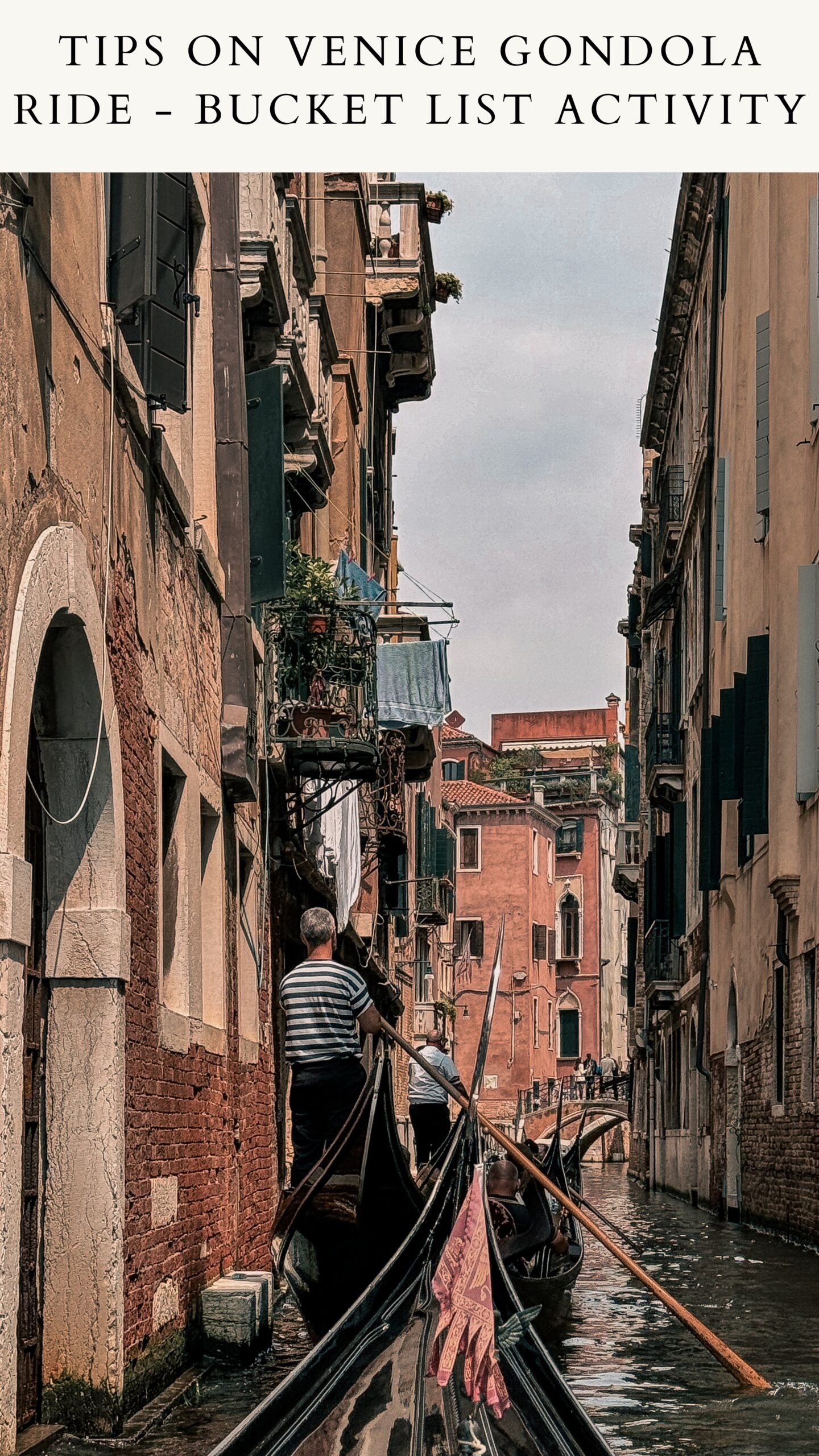
Welcome to Kyoto ⛩️🇯🇵
Kyoto surprised me in a quiet way. I thought I was prepared for it the temples, the photos, the crowds but what I didn’t expect was how calm it made me feel. It wasn’t a place that demanded attention. It just existed, and somehow pulled me into its pace.
Some days started early, not because I planned it, but because the city felt different in the morning. The streets were almost empty, shops still closed, the air cool and clean. Walking through narrow lanes with wooden houses and closed shutters, I felt like I was passing through someone else’s everyday life, not a tourist version of it. A woman sweeping her doorstep, a cyclist passing quietly, the sound of my own footsteps echoing more than anything else.
Kyoto felt full of small moments. A shrine tucked between two buildings. The smell of incense drifting by without warning. Sitting on temple steps longer than I meant to, just watching people come and go. Nothing felt rushed, and no one seemed in a hurry to move me along. It made slowing down feel natural, not forced.
Even the busy areas didn’t overwhelm me. There was movement, yes, but also balance. Order. A sense that everything had its place. I caught myself paying attention to tiny details, the way sunlight hit stone paths, how leaves gathered in corners, how quiet could still exist in a city.
Leaving Kyoto felt strange. I didn’t feel like I’d seen everything, and I didn’t want to. It felt like a place you’re not meant to finish, only experience in pieces. And even after I left, that calm stayed with me the kind that sneaks up on you later, when you’re back home, moving too fast again, and suddenly remembering how it felt to just walk, breathe, and be.
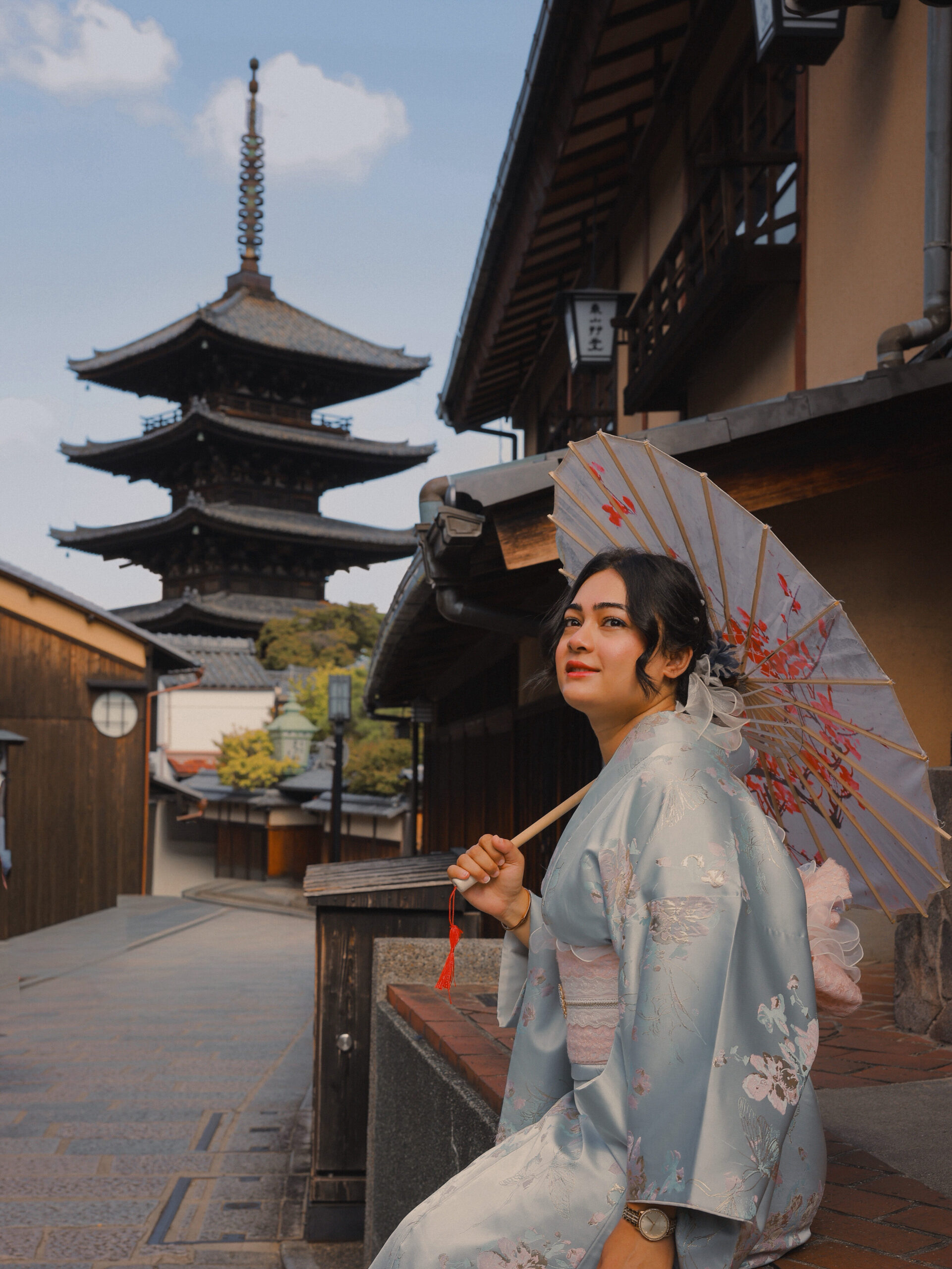
Table of Contents
- Quick Facts To Get You Around
- Transportation Details
- Flights to Kyoto
- Japanese Culture: Things to Know Before Visiting
- Kyoto Itinerary: The Perfect 1, 2 & 3 Day Guide
- Best Time to Visit Kyoto (Cherry Blossoms & Fall Colors)
- Famous Temples & Shrines in Kyoto
- Kyoto Food Guide (Street Food, Matcha, Local Eats)
- Where to Stay in Kyoto (Best Neighborhoods)
- Day Trips from Kyoto (Nara, Osaka, Uji)
Quick Facts to get you around
Currency : Japanese Yen (JPY)
Cards are widely accepted, but keep cash for temples, small shops, and local cafes.
Visa : Japan Tourist Visa 🇯🇵
Visa free entry for many passports; others must apply in advance.
Public transport : JR & Local Trains 🚆
JR and local railway lines connect Kyoto with Osaka, Nara, and nearby areas, making it easy to explore the city and beyond.
Language : Japanese 🇯🇵
English is commonly understood in tourist areas.
“(Konnichiwa)” – Hello,
“(Arigatō)” – Thank you
Climate : Temperate with Four Distinct Seasons
(Dec–Feb): 35–50°F (2–10°C) cold, quiet, occasional snow
(Mar–May): 50–70°F (10–21°C) mild, cherry blossoms
(Jun–Aug): 70–90°F (21–32°C) hot, humid, lush green
(Sep–Nov): 55–75°F (13–24°C) cool, colorful, very pleasant
Airport : Kansai International Airport (KIX)
KIX is the most convenient airport for Kyoto, located about 95 km away. Trains run frequently, with travel time of ~75–90 minutes.
Alternate Airports:
Itami Airport (ITM): Domestic flights, ~1 hour to Kyoto
Tokyo Airports (HND/NRT): Reach Kyoto by Shinkansen in ~2.5–3 hours
Train station : Kyoto Station
Kyoto Station is a major rail hub with direct connections to Osaka, Nara, Tokyo, and easy access to local buses and metro lines across the city.
Quick Apps:
Google Maps, Japan Transit Planner, JR East App, Suica / ICOCA
🚍 Transportation Details
Kyoto is very easy to explore without a car. In fact, driving is more of a hassle here. The city is built around an efficient mix of trains, subways, and buses that connect temples, neighborhoods, and nearby cities seamlessly. While it’s a large city, transportation feels calm, organized, and traveler-friendly once you get the hang of it.
🚆 Trains (The Backbone of Kyoto Travel)
Trains are the fastest way to move between major areas and nearby cities.
Kyoto Station is the main hub, connecting you to Osaka, Nara, Kobe, and Tokyo.
JR lines, private railways, and the Shinkansen all pass through here.
💡 Trains are clean, punctual, and ideal for longer distances.
🚇 Subway Lines (Easy for Central Kyoto)
Kyoto has two simple subway lines that are great for getting around the city center.
Karasuma Line: North–south access (Kyoto Station, downtown)
Tozai Line: East–west access (near Gion, museums)
Not as extensive as Tokyo, but very easy to use.
🚌 Buses (Best for Temples & Sightseeing)
Buses are essential for reaching many temples and shrines.
They connect areas trains don’t, like Kinkaku-ji and parts of Arashiyama.
Well-marked routes with English signs, but can be crowded during peak hours.
💡 Buses are slower, but often the only direct option.
🚄 Day Trips from Kyoto
Kyoto is perfectly located for easy day trips:
Osaka: ~15–30 minutes
Nara: ~45 minutes
Uji: ~20 minutes (matcha & temples 🍵)
Himeji: ~1 hour (castle day trip 🏯)
Tokyo: ~2.5 hours by Shinkansen 🚄
🎟️ Tickets & Travel Passes
Use IC cards (ICOCA/Suica) for tap-and-go travel
Day bus or subway passes are useful if sightseeing heavily
Buy tickets at stations, machines, or via apps
💡 IC cards work across most of Japan, not just Kyoto.
🌍 Getting Around Overall
Kyoto rewards slow travel. Walking between stops, combining buses with trains, and planning routes ahead makes everything smoother. Once you settle into the rhythm, getting around feels effortless, and you’ll see far more of the city along the way.
✈️ Flights to Kyoto
Kansai International Airport (KIX) is the main international gateway for travelers heading to Kyoto. It’s served by major airlines like ANA, Japan Airlines, United, Delta, American Airlines, Emirates, Qatar Airways, Singapore Airlines, and many others, with direct flights from cities across Asia, the Middle East, Europe, and North America. From KIX, Kyoto is easy to reach by JR train or airport express in about 75–90 minutes.
Itami Airport (ITM) is a convenient option for domestic flights within Japan. While it doesn’t handle long-haul international routes, it’s closer to Kyoto, with travel time of about 50–60 minutes by bus or train.
Tokyo’s airports, Haneda (HND) and Narita (NRT) are also common entry points for international travelers. From Tokyo, Kyoto is easily reachable by Shinkansen in around 2.5–3 hours, making it a popular multi-city route.
Best Tip: Fly into Kansai International Airport (KIX) for the smoothest arrival to Kyoto. The train connections are straightforward, frequent, and stress-free, no car needed.
Cheapest Months: January, February, and late November often offer lower airfare to Japan, including flights into KIX, along with fewer crowds and better hotel availability in Kyoto.
🇯🇵 Japanese Culture: Things to Know Before Visiting
Japan is incredibly welcoming, but it’s also a place where small gestures matter. Knowing a few cultural basics will not only help you avoid awkward moments, it’ll deepen your experience and show respect in ways locals truly appreciate.
🙇 Politeness Is Everything
Courtesy is central to Japanese culture. People bow lightly instead of shaking hands, speak calmly, and avoid confrontation. You don’t need to bow perfectly, a small nod and a smile go a long way 🤍.
🗣️ Quiet Is Considered Respectful
Public spaces are peaceful by default. On trains and buses, conversations are kept soft, and phone calls are avoided. Even in busy cities, this quiet respect creates a calm atmosphere, lean into it.
👟 Shoes Off Indoors
Always remove your shoes when entering homes, ryokan, temples, and some restaurants. You’ll usually see a clear entry area or slippers provided. Wearing shoes indoors is considered disrespectful.
🍜 Dining Etiquette Basics
Slurping noodles is okay (even encouraged!)
Don’t stick chopsticks upright in rice
Don’t pass food chopstick to chopstick
Say “Itadakimasu” before eating and “Gochisousama” after, even quietly
Meals are meant to be enjoyed thoughtfully, not rushed.
💴 Cash Is Still King
Japan is modern, but many small restaurants, temples, and shops are cash only. Always carry yen for offerings, tickets, and local eateries.
🧍 Respect Personal Space
Personal space is important. Avoid touching strangers, hugging, or standing too close. Queuing is orderly and expected, always follow lines and signs.
📸 Be Mindful With Photos
Photography is usually allowed outdoors, but many temples, shrines, and shops restrict photos inside. Always look for signs, and never photograph people without permission especially in traditional areas like Gion. Drones are not allowed in most of the places. Sometimes even tripods are not allowed inside temples.
🎎 Temples & Shrines Etiquette
Walk to the side of torii gates and shrine paths (the center is symbolic)
Cleanse hands at water basins before entering
Be quiet and observant, these are active spiritual spaces
You don’t need to know every ritual, just be respectful and unhurried.
🕰️ Punctuality Matters
Trains run on time, to the minute. Being late is considered rude, so plan to arrive a few minutes early for reservations and tours.
🤍 The Unspoken Rule: Observe First
When in doubt, watch what locals do and follow their lead. Japanese culture values awareness, subtlety, and consideration more than perfection.
✨ Final Thought
Japan doesn’t expect you to be perfect, just thoughtful. A little effort, a calm presence, and genuine respect will be met with warmth, kindness, and unforgettable hospitality.
Kyoto Itinerary: The Perfect 1, 2 & 3 Day Guide
Kyoto is one of those cities where the magic isn’t rushed, it’s felt slowly. Whether you’re here for a short visit or a few relaxed days, Kyoto rewards early mornings, quiet walks, and lingering moments at temples and cafés. This itinerary is designed to help you see the highlights without feeling overwhelmed, while still leaving room for discovery.
🗓️ Day 1: First Impressions & Iconic Kyoto
Your first day is about easing into Kyoto and seeing the landmarks you’ve dreamed of.
Start your morning early at Fushimi Inari Taisha ⛩️. Walking through the endless red torii gates is one of Kyoto’s most unforgettable experiences, especially before the crowds arrive. Take your time, wander a little higher up the path, and enjoy the quiet moments away from the main entrance.
Afterward, head toward Gion, Kyoto’s most famous traditional district. Stroll along Hanamikoji Street, admire the wooden machiya houses, and keep an eye out for geiko or maiko passing by. You can also wear a kimono and go to a tea ceremony. Grab lunch nearby, ideally something light like soba or a small bento 🍱.
In the afternoon, visit Kiyomizu dera. The walk up to the temple is just as beautiful as the destination, lined with souvenir shops and sweet treats. From the wooden stage, you’ll get panoramic views of Kyoto, especially stunning during cherry blossom or autumn season 🌸🍂. or watch an evening cultural show at Gion Cultural Center.
End your day with a relaxed dinner and a quiet walk along the Shirakawa Canal, when lanterns glow and the city feels softer.
🗓️ Day 2: Temples, Tradition & Old Kyoto
Day two dives deeper into Kyoto’s spiritual heart.
Begin at Kinkaku-ji ✨. The Golden Pavilion reflecting on the pond is breathtaking in any season, and mornings are the best time to visit before tour groups arrive.
Next, make your way to Ryoan-ji, home to Kyoto’s most famous rock garden. This is a place to pause, sit quietly, and simply observe. Even if you don’t fully “understand” Zen, the calm is undeniable.
In the afternoon, explore Nishiki Market 🍡. This lively market is perfect for sampling Kyoto street food, matcha sweets, grilled skewers, pickles, and local snacks. It’s busy, but full of character.
Spend your evening wandering Pontocho Alley, a narrow lantern lit street along the river. Choose a cozy restaurant overlooking the water for dinner, it’s one of Kyoto’s most atmospheric spots at night 🌙.
🗓️ Day 3: Nature & Scenic Kyoto
This day is all about Kyoto’s natural beauty and slower pace.
Head to Arashiyama Bamboo Grove early 🌿. Walking through the towering bamboo feels surreal and peaceful before the crowds arrive. Nearby, visit Tenryu-ji, where the garden blends seamlessly into the surrounding mountains.
Take a stroll across Togetsukyo Bridge and enjoy the riverside views. This area is especially beautiful in autumn and spring.
In the afternoon, slow things down. Rent a bike, enjoy a café near the river, or explore smaller temples nearby. Kyoto isn’t about checking boxes, it’s about letting moments unfold naturally.
🗓️ Day 4: Hidden Gems & Day Trips (Optional)
If you have a fourth day, you can either explore deeper or venture outside the city.
Option 1: Visit Uji 🍵, famous for its matcha and the stunning Byodo-in Temple. It’s an easy half day trip and feels calmer than central Kyoto.
Option 2: Take a day trip to Nara 🦌 to see the Great Buddha and wander Nara Park.
Option 3: Stay in Kyoto and explore lesser known neighborhoods, small shrines, vintage shops, and local cafés, often the most memorable part of the trip.
✨ Final Thoughts
Kyoto isn’t meant to be rushed. Whether you’re here for one day or four, the real beauty lies in the quiet moments, early mornings, soft light, and unplanned pauses. This itinerary gives structure, but the magic happens when you leave space to wander.
Best Time to Visit Kyoto (Cherry Blossoms & Fall Colors)
Kyoto is beautiful year round, but two seasons truly define the city: spring cherry blossoms and autumn fall foliage. These months turn Kyoto into a living painting, soft pinks in spring, deep reds and golds in fall and they’re the reason so many travelers plan entire trips around timing alone.
🌸 Spring in Kyoto (Late March – Early April): Cherry Blossom Season
Cherry blossom season is Kyoto at its most iconic. From late March to early April, the city is covered in delicate pink sakura, transforming temples, canals, and quiet streets into something straight out of a storybook.
Popular spots like parks, temple grounds, and riverside paths feel especially magical during this time. Mornings are calm and peaceful, while afternoons bring picnics, locals celebrating hanami, and a festive energy throughout the city 🌸.
What to expect:
Mild temperatures (50–65°F / 10–18°C)
Peak crowds and higher hotel prices
Short bloom window (about 7–10 days)
💡 Tip: Visit temples early in the morning or just before closing to avoid crowds.
🍁 Fall in Kyoto (Mid-November – Early December): Autumn Leaves
If cherry blossoms are soft and romantic, fall foliage is rich and dramatic. Autumn is often considered the best overall time to visit Kyoto. The maple trees turn brilliant shades of red, orange, and gold, especially around temple gardens and mountain areas 🍂.
The weather is crisp and comfortable, crowds are slightly more manageable than spring, and the city feels calm and deeply atmospheric. Evening illuminations at temples make fall nights especially memorable ✨.
What to expect:
Cool, pleasant weather (50–70°F / 10–21°C)
Stunning colors lasting several weeks
Ideal conditions for walking and sightseeing
🌤️ Other Seasons to Consider
Summer (June-August): Hot, humid, and green ☀️ Great for festivals, but less comfortable for long sightseeing days.
Winter (January-February): Quiet, cold, and underrated ❄️ Fewer crowds, occasional snow, and beautiful temple scenes. perfect if you prefer calm over color.
If your dream of Kyoto includes pink petals drifting through the air, aim for late March to early April. If you want vibrant colors, cooler weather, and a more relaxed pace, mid November is hard to beat. No matter when you go, Kyoto has a way of meeting you exactly where you are, softly, beautifully, and without rushing.
⛩️ Famous Temples & Shrines in Kyoto
Kyoto is the spiritual heart of Japan, where temples, shrines, and historic streets blend effortlessly into daily life. Some places feel powerful and dramatic, others quiet and deeply peaceful but, each one offers a glimpse into Kyoto’s soul. These are the essential temples, shrines, and historic streets that belong on every Kyoto bucket list.
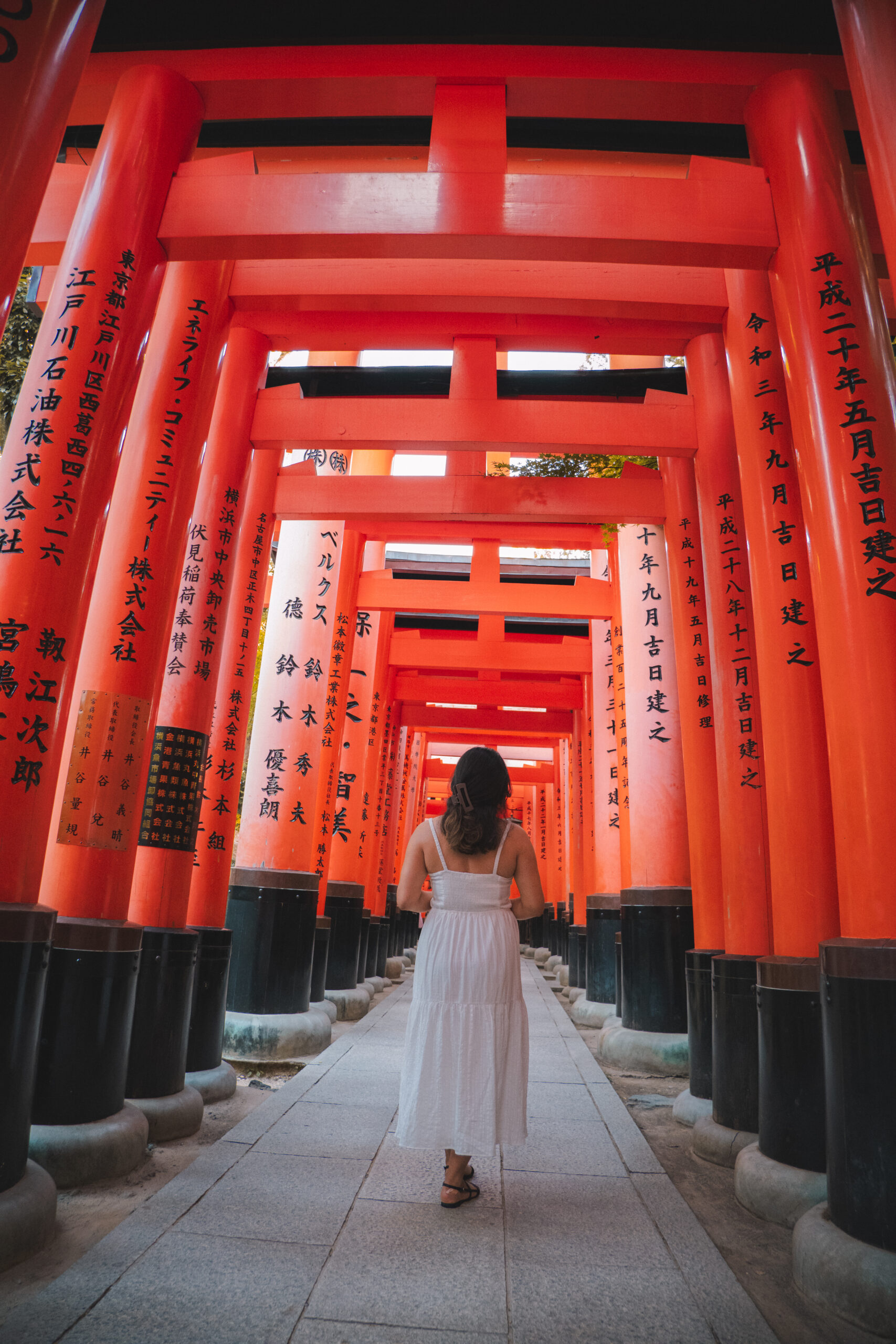
✨ 1. Fushimi Inari Taisha
Kyoto’s most iconic shrine, famous for its thousands of red torii gates winding up Mount Inari. Go early for quiet trails, soft morning light, and a peaceful, almost spiritual experience.
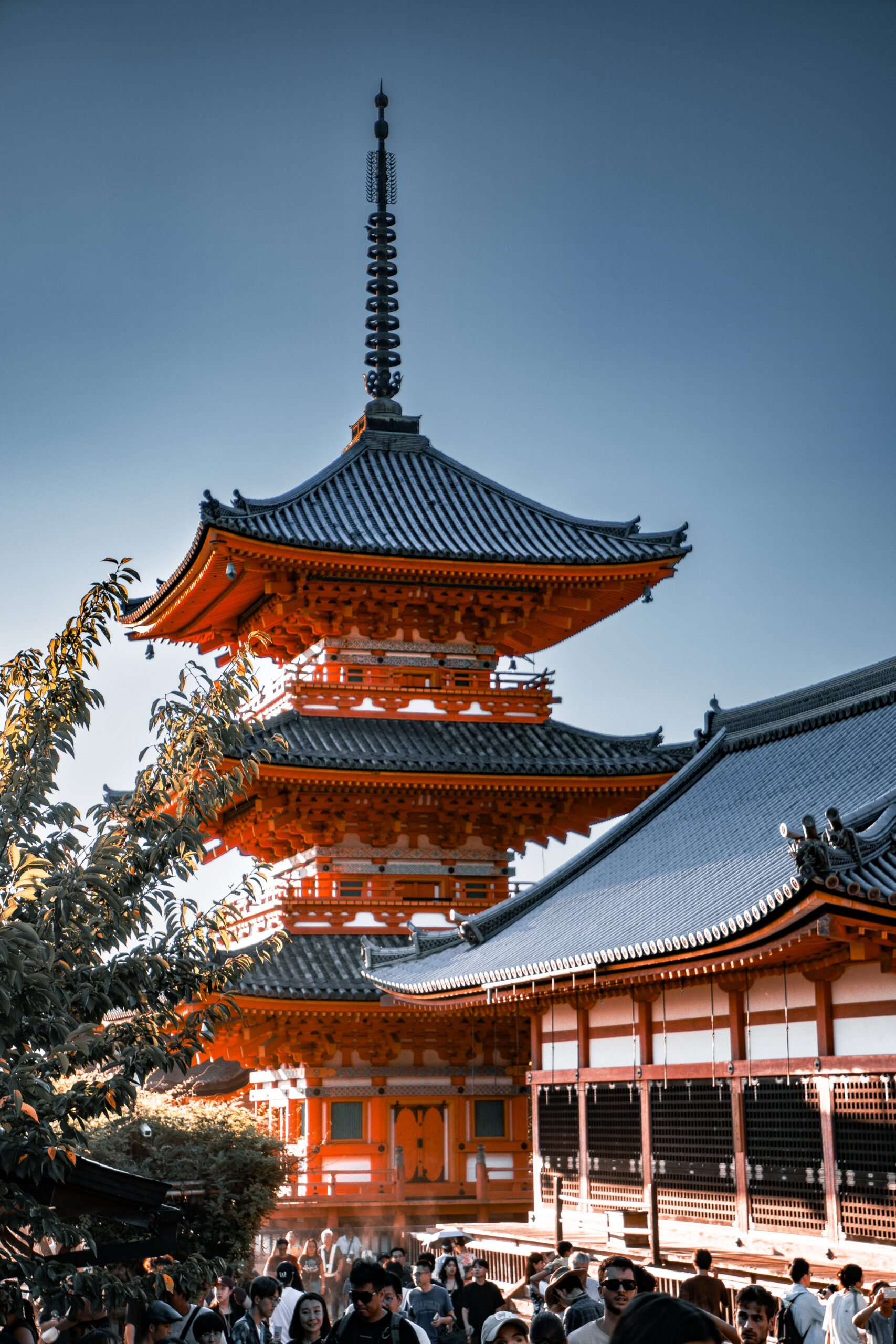
✨ 2. Kiyomizu-dera
A dramatic wooden temple perched above the city, offering sweeping skyline views. Sunset here is unforgettable, and the walk up through traditional streets adds to the magic.
✨ 3. Kinkaku-ji
The Golden Pavilion is one of Kyoto’s most photographed sights, with gold leaf reflecting perfectly on the surrounding pond. A short visit, but truly unforgettable.
✨ 4. Daigo-ji
A UNESCO World Heritage site known for its serene gardens, reflective ponds, and beautiful seasonal colors. It feels spacious, calm, and less rushed than central temples.
✨ 5. Yasaka Shrine
Located in the heart of Gion, this shrine comes alive in the evening with glowing lanterns and festival energy. It blends seamlessly into everyday Kyoto life.
✨ 6. Ninenzaka
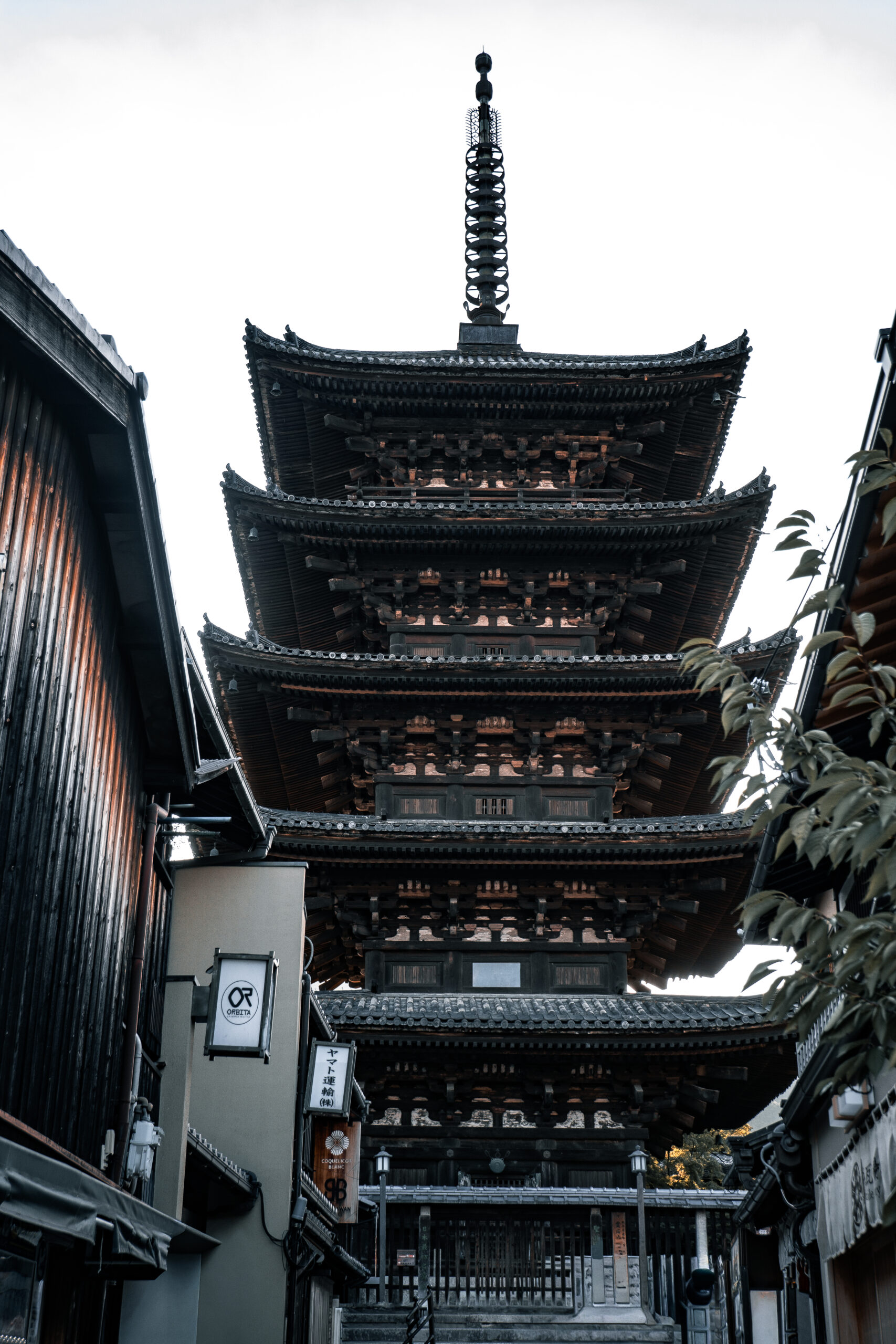
One of Kyoto’s most picturesque streets, lined with traditional wooden houses and views of Yasaka Pagoda. Walking here feels like stepping into a painting.
✨ 7. Ginkaku-ji
Quiet, subtle, and deeply peaceful. The Silver Pavilion is known for its Zen gardens and hillside paths, perfect for slowing down and reflecting.
✨ 8. Ryoan-ji
Home to Kyoto’s most famous Zen rock garden. Simple, minimal, and meditative, a place to sit quietly and let your thoughts settle.
✨ 9. Tenryu-ji
A UNESCO-listed Zen temple in Arashiyama, where the garden blends seamlessly into the surrounding mountains. A perfect balance of nature and design.
✨ 10. Sanjusangendo
One of Kyoto’s most powerful and underrated temples, housing 1,001 statues of Kannon. Quiet, emotional, and deeply moving.
🌿 Tips & Things to Know Before You Go
✨ Visit early morning or near sunset for softer light, cooler weather, and fewer crowds
✨ Wear comfortable shoes, expect stairs, slopes, and uneven stone paths
✨ Check seasonal events like autumn illuminations, cherry blossom blooms, and night openings
✨ Carry cash for small offerings, fortunes, and omamori charms
✨ Photography is usually allowed, but avoid tripods and respect restricted areas
✨ A day pass for Kyoto buses & subways is very convenient if visiting multiple sites
✨ Stay quiet and respectful, these are active spiritual spaces, not just tourist attractions
🍜 Kyoto Food Guide (Street Food, Matcha, Local Eats)
Kyoto’s food scene is quiet, seasonal, and deeply thoughtful. It’s less about bold flavors and more about balance, ingredients at their peak, simple techniques, and meals that feel intentional. From market snacks to temple-inspired cuisine, eating in Kyoto is part of understanding the city.
🍢 Street Food & Casual Bites
The best place to sample Kyoto street food is Nishiki Market, a narrow, lively lane packed with stalls and small shops.
What to try:
Yuba (tofu skin) croquettes: crispy outside, soft inside
Tamagoyaki (Japanese omelet) on a stick
Grilled mochi or skewered meats (yakitori and kushiyaki )
Pickles (tsukemono), a Kyoto specialty
💡 Tip: Street eating is limited, most vendors ask you to eat nearby or inside their shop.
🍵 Matcha & Traditional Sweets
Kyoto is the heart of Japan’s matcha culture, especially around Uji, famous for producing some of the country’s best green tea.
Don’t miss:
Matcha soft serve 🍦
Matcha parfaits layered with red bean and mochi
Freshly whisked ceremonial matcha
Wagashi (traditional sweets) served with tea
Matcha here is richer and more bitter than what most people are used to and once you taste it in Kyoto, everything else feels different.
🍱 Local Kyoto Dishes to Know
Kyoto cuisine (Kyo-ryori) is rooted in seasonality and simplicity.
Must try dishes:
Yudofu: hot tofu served simply with dipping sauce
Obanzai: home style Kyoto cooking with small seasonal dishes
Kaiseki: a multi course traditional meal that’s as beautiful as it is delicious
Soba & udon: light, comforting, and perfect between temple visits
These meals are subtle, not flashy but incredibly satisfying.
🍽️ Where to Eat (Neighborhood Vibes)
Gion: Traditional restaurants, refined Kyoto meals, and atmospheric dining
Pontocho Alley: Narrow lantern lit street along the river, great for dinner at night 🌙
Downtown Kawaramachi: Casual eateries, ramen shops, cafés, and modern spots
💡 Reservations are recommended for popular restaurants, especially in Gion.
🌿 Food Tips for Kyoto
Many traditional restaurants are cash only
Lines are common, arrive early or go off peak
Vegetarian and temple food options are widely available
Dining is quiet and respectful conversations stay soft
✨ Why Food in Kyoto Feels Different
Kyoto meals don’t rush you. Whether it’s sipping matcha slowly or enjoying a carefully prepared tofu dish, food here feels connected to time, place, and tradition. It’s not about eating quickly, it’s about appreciating each bite.
🛏️ Where to Stay in Kyoto (Best Neighborhoods)
Choosing where to stay in Kyoto shapes your entire experience. Some areas feel lively and central, others quiet and traditional and the best choice depends on how you like to travel. These neighborhoods are the most popular, practical, and well loved for first timers and repeat visitors alike.
🌸 Gion, Traditional & Atmospheric
If you want classic Kyoto vibes, Gion is hard to beat. Think wooden townhouses, lantern lit streets, and easy access to temples like Yasaka Shrine and Kiyomizu dera. Evenings here feel magical, especially when the crowds thin out.
Best for: First-time visitors, photographers, cultural stays
Keep in mind: Prices are higher and nights are quiet
🚉 Kyoto Station Area, Most Convenient
Staying near Kyoto Station makes getting around incredibly easy. You’ll have direct access to trains, buses, Shinkansen, shopping, and restaurants, perfect if you’re planning day trips.
Best for: Short stays, day trips, convenience
Keep in mind: Less traditional charm
🛍️ Kawaramachi, Central & Lively
This is Kyoto’s downtown core, filled with shops, cafés, restaurants, and nightlife. It’s walkable, well-connected, and a great base for exploring both traditional and modern Kyoto.
Best for: Food lovers, shopping, nightlife
Keep in mind: Busy during peak hours
🌿 Arashiyama, Nature & Serenity
Arashiyama feels slower and more scenic, surrounded by mountains, bamboo groves, and river views. Staying here is peaceful, especially early mornings before day trippers arrive.
Best for: Nature lovers, relaxed pace, longer stays
Keep in mind: Farther from central Kyoto
🎨 Higashiyama, Walkable & Storybook
Higashiyama is full of sloping streets, temples, and traditional houses. It’s one of the most charming areas to stay if you love walking and discovering hidden corners.
Best for: Slow travelers, photographers, culture lovers
Keep in mind: Lots of hills and stairs
🧘 Northern Kyoto, Calm & Local
Less touristy and more residential, northern Kyoto offers a quieter experience near places like Ryoan ji and the Philosopher’s Path. Great if you want to experience everyday Kyoto life.
Best for: Repeat visitors, longer stays
Keep in mind: Less nightlife and dining nearby
✨ Final Tips for Choosing Where to Stay
Stay near train or subway lines for easy transport
Traditional ryokan offer an authentic experience (tatami, futons, kaiseki meals)
Hotels near Kyoto Station are best for logistics heavy itineraries
Gion & Higashiyama are ideal if you want to walk everywhere
Kyoto doesn’t have one “perfect” neighborhood, just the one that fits your travel style. Whether you want lantern lit nights or easy train access, the city meets you where you are 🤍
Day Trips from Kyoto (Nara, Osaka, Uji)
One of the best things about staying in Kyoto is how perfectly it’s positioned for easy day trips. With fast trains and short travel times, you can experience ancient temples, vibrant city life, and tea culture, all without changing hotels.
🦌 Nara : Temples, Deer & Ancient Japan
Travel time: ~45 minutes from Kyoto
Nara feels calm, historic, and deeply spiritual. It was Japan’s first permanent capital, and that history is everywhere. The highlight is Nara Park, where friendly (and very curious) deer roam freely 🦌. Visit Todai-ji Temple to see the massive Great Buddha, it’s one of the most impressive sights in Japan.
Don’t miss:
Todai-ji (Great Buddha)
Nara Park & deer
Kasuga Taisha’s lantern-lined paths
💡 Why go: Slow, meaningful, and perfect if you love history and quiet beauty.
🌆 Osaka : Food, Energy & Urban Contrast
Travel time: ~15–30 minutes from Kyoto
Osaka is the opposite of Kyoto, louder, brighter, and full of personality. It’s known as Japan’s food capital, and a day here is perfect for eating your way through the city 🍜. Wander through neon lit streets, explore markets, and feel the buzz of modern Japan.
Don’t miss:
Dotonbori (street food & neon signs)
Osaka Castle
Kuromon Market
💡 Why go: If you want energy, nightlife, and incredible food in one day.
🍵 Uji : Matcha, Calm & Riverside Views
Travel time: ~20 minutes from Kyoto
Uji is small, peaceful, and perfect for a half day escape. It’s famous for producing some of Japan’s best matcha, and the entire town revolves around tea culture. Walk along the river, sip freshly whisked matcha, and enjoy the slower pace.
Don’t miss:
Byodo-in Temple (on the ¥10 coin)
Matcha cafés & tea shops
Riverside walks
💡 Why go: Relaxing, scenic, and ideal if you want something gentle and uncrowded.
✨ How to Choose the Right Day Trip
Choose Nara if you love temples, history, and quiet walks
Choose Osaka if you want food, shopping, and city vibes
Choose Uji if you want calm, matcha, and a slower pace
💡 All three are easy by train and doable in one day, no car needed.
🌿 Final Tip
If your Kyoto schedule feels full, Uji works beautifully as a half-day trip, while Nara and Osaka deserve a full day. Whichever you choose, these side trips add contrast and depth to your Kyoto experience, without the stress of long travel.